


In the world of electronics manufacturing, reflow soldering is a fundamental process for attaching surface mount components to printed circuit boards (PCBs). This method is widely used in modern assembly lines due to its efficiency, precision, and suitability for high-volume production. Understanding how reflow soldering works is essential for engineers, technicians, and anyone interested in electronics fabrication, as it directly impacts the reliability and performance of electronic devices.
This guide breaks down the reflow soldering process, explores its key stages, discusses the equipment involved, and highlights best practices for achieving high-quality solder joints. If you’re looking to deepen your knowledge of PCB manufacturing, you may also find value in learning about the PCB etching process explained, which is another critical step in electronics production.
Understanding the Reflow Soldering Process
At its core, reflow soldering is a thermal process that uses controlled heat to melt solder paste and form electrical connections between surface mount devices (SMDs) and the PCB. The process is typically automated and consists of several distinct stages, each crucial for producing reliable solder joints.
The main steps in reflow soldering include:
- Applying solder paste to the PCB pads
- Placing SMD components onto the solder paste
- Passing the assembly through a reflow oven with a precise temperature profile
- Cooling the assembly to solidify the solder joints
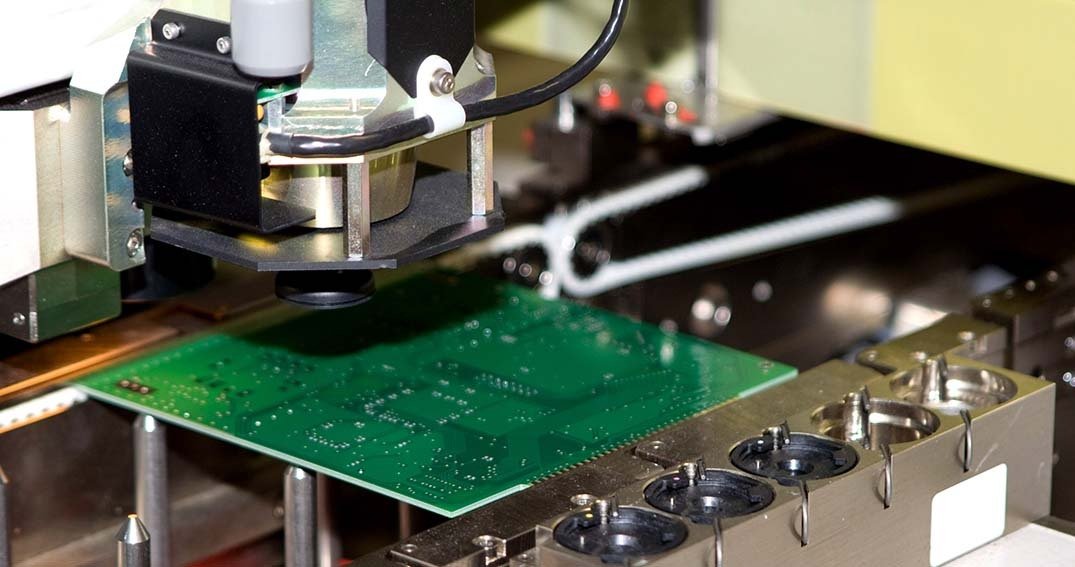
Key Stages of the Reflow Soldering Cycle
To fully grasp how reflow soldering works, it’s important to look at the temperature profile used in the oven. The process is divided into four main zones, each serving a specific purpose:
- Preheat Zone: The PCB assembly is gradually heated to prevent thermal shock. This stage activates the flux in the solder paste, which helps remove oxides from metal surfaces.
- Soak Zone: The temperature is held steady to allow the solder paste to evenly distribute and for volatile solvents to evaporate. This ensures uniform heating and prepares the assembly for the next stage.
- Reflow Zone (Peak): The temperature is raised above the melting point of the solder alloy, causing the solder to liquefy and form metallurgical bonds between components and pads.
- Cooling Zone: The assembly is cooled at a controlled rate, solidifying the solder joints and minimizing the risk of defects such as cracks or voids.
Each of these stages must be carefully controlled to avoid issues like tombstoning, solder balling, or cold joints. The temperature profile is typically programmed into the reflow oven and tailored to the specific solder paste and components used.
Equipment Used in Reflow Soldering
The success of this process depends heavily on the equipment involved. The primary machine is the reflow oven, which can be of several types:
- Infrared (IR) Ovens: Use IR lamps to heat assemblies. They are simple but can cause uneven heating if components vary in size or color.
- Convection Ovens: Circulate hot air for uniform heating, making them the most common choice in modern assembly lines.
- Vapor Phase Ovens: Use a vaporized liquid to transfer heat, offering precise temperature control and reducing the risk of overheating.
Other essential tools include solder paste printers, pick-and-place machines for component placement, and inspection systems to verify solder joint quality. For a deeper dive into related assembly processes, you might be interested in reading about how SMT assembly works in electronics manufacturing.
Advantages and Limitations of Reflow Soldering
There are several reasons why manufacturers choose this method for assembling PCBs:
- High throughput: Automated lines can process thousands of boards per hour.
- Consistent quality: Controlled temperature profiles reduce human error and variability.
- Compatibility: Ideal for small, densely packed surface mount components.
- Scalability: Suitable for both prototype and mass production runs.
However, there are also some challenges:
- Not suitable for all component types, especially large connectors or heat-sensitive parts.
- Requires precise control of solder paste volume and placement.
- Initial equipment investment can be significant for small-scale operations.
Best Practices for Reliable Solder Joints
To ensure optimal results with reflow soldering, manufacturers should follow these guidelines:
- Use high-quality solder paste and store it under recommended conditions.
- Apply solder paste accurately using stencils and automated printers.
- Program the reflow oven with the correct temperature profile for the solder alloy and components.
- Inspect finished assemblies using automated optical inspection (AOI) or X-ray systems.
- Regularly maintain equipment to prevent defects caused by worn parts or contamination.
For those interested in manual soldering or alternative assembly methods, this beginner’s guide to electronics projects offers a helpful overview of hand assembly techniques.
Common Issues and Troubleshooting Tips
Even with automated processes, issues can arise during reflow soldering. Some of the most frequent problems include:
- Tombstoning: One end of a component lifts off the pad due to uneven wetting or heating.
- Solder Balls: Small spheres of solder form due to excessive paste or rapid heating.
- Cold Joints: Dull, weak connections caused by insufficient heat or contamination.
- Bridging: Solder connects adjacent pads, creating shorts.
Addressing these issues often involves adjusting the oven profile, improving solder paste application, or enhancing board cleaning procedures. For additional insights into joining methods, see soldering techniques explained.
FAQs About Reflow Soldering
What is the main difference between reflow soldering and wave soldering?
Reflow soldering is primarily used for surface mount components, where solder paste is applied to pads and melted in a controlled oven. Wave soldering, on the other hand, is typically used for through-hole components and involves passing the entire board over a wave of molten solder. Each method has its own advantages and is chosen based on the assembly requirements.
Can reflow soldering be used for double-sided PCB assemblies?
Yes, reflow soldering is suitable for double-sided boards. Components are placed and soldered on one side, then the process is repeated for the other. Special care is taken to ensure previously soldered components do not detach during the second reflow cycle.
How does the choice of solder paste affect the reflow process?
The type of solder paste determines the melting point, flux activity, and overall behavior during heating. Using the correct paste for your components and oven profile is crucial for achieving strong, reliable joints and minimizing defects.
Where can I learn more about PCB manufacturing processes?
For further reading on related topics, consider exploring resources on understanding PCB layers and the difference between SMT and through hole assembly.
