


Designing an electronics enclosure can be a complex task. It requires a deep understanding of the components, the environment they will be used in, and the standards that need to be met. This comprehensive guide will provide you with the necessary knowledge and insights to design an effective and efficient electronics enclosure.
Before we delve into the specifics, it’s important to understand the basics of hardware design workflow optimization. This will give you a solid foundation for your electronics enclosure design process.
Understanding the Requirements
The first step in designing an electronics enclosure is to understand the requirements. This includes the physical dimensions of the components, the environmental conditions they will be subjected to, and any regulatory standards that need to be met.
Designing the Enclosure
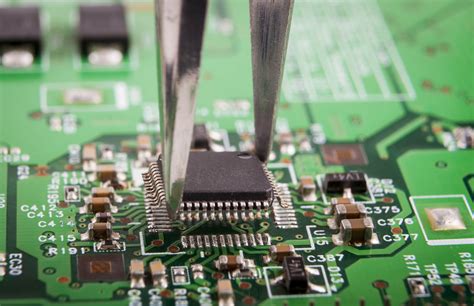
Once the requirements are understood, the next step is to design the enclosure. This involves selecting the appropriate materials, determining the layout of the components, and designing the enclosure to ensure it provides adequate protection and cooling for the components.
Testing and Iteration
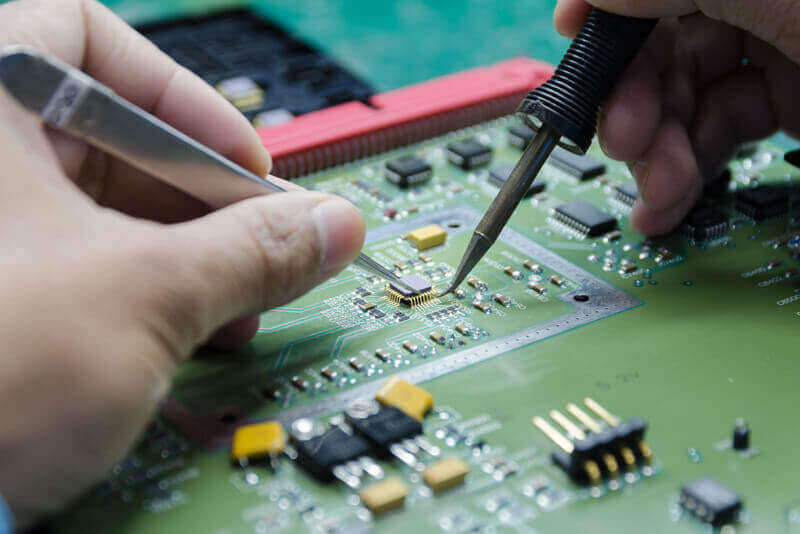
After the enclosure is designed, it is important to test it to ensure it meets all the requirements. This may involve physical testing, such as thermal or vibration testing, as well as virtual testing using simulation software. Based on the results of these tests, the design may need to be iterated and improved.
For more insights into the process of designing an electronics enclosure, check out this detailed guide on hardware prototyping with Raspberry Pi.
This guide should provide you with a solid foundation for designing your own electronics enclosure. Remember, the key to a successful design is understanding the requirements, designing with these in mind, and testing and iterating as necessary.
