

Hardware design is a complex process with numerous challenges. From component selection to layout design, each step presents its own set of difficulties. In this article, we’ll delve into some of the most common issues encountered in hardware design and offer practical solutions to overcome them.
By understanding these challenges, you can better anticipate potential problems and develop strategies to mitigate them. This will not only improve the quality of your designs but also reduce the time and cost associated with hardware development.

One of the most critical aspects to consider when designing hardware is prototyping. For more insights, check out our post on hardware prototyping for robotics.
Component Selection and Sourcing
Selecting the right components for your design is one of the most challenging aspects of hardware design. The components you choose must not only meet the technical requirements of your design but also be readily available and cost-effective.
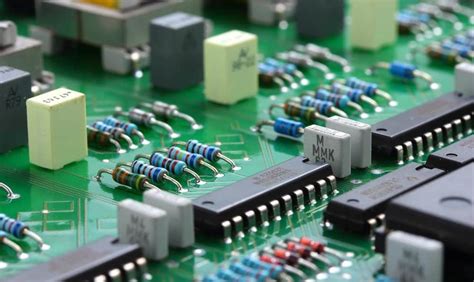
Dealing with Design Constraints
Every hardware design project comes with a set of constraints, such as size, power consumption, and cost. These constraints can significantly impact the design process and require careful consideration and planning.
Testing and Validation
Testing and validation are crucial steps in the hardware design process. They ensure that your design functions as intended and meets all the required specifications. However, these steps can be time-consuming and complex, especially for complex designs.

Conclusion
Overcoming hardware design challenges requires a deep understanding of the design process, careful planning, and effective problem-solving strategies. By anticipating these challenges and preparing for them, you can improve the quality of your designs, reduce development time, and ensure the success of your hardware projects.
For more information on hardware prototyping, check out this descriptive anchor text.
Written by: Ethan Carter
Publication Date: 2025-11-11
