


The concept of ‘design for manufacturability in hardware’ is a crucial aspect of hardware engineering. It refers to the process of designing hardware in such a way that it can be easily and efficiently manufactured. This approach can significantly reduce manufacturing costs, improve product quality, and shorten production time.
One of the key aspects to consider when designing for manufacturability is the use of CAD tools. You can read more about this in our article on using cad for hardware design.
Understanding the Concept of Design for Manufacturability
Design for manufacturability is all about designing products that are easy to manufacture. It involves considering manufacturing constraints and requirements during the design phase itself, which can help to avoid costly and time-consuming modifications later on.
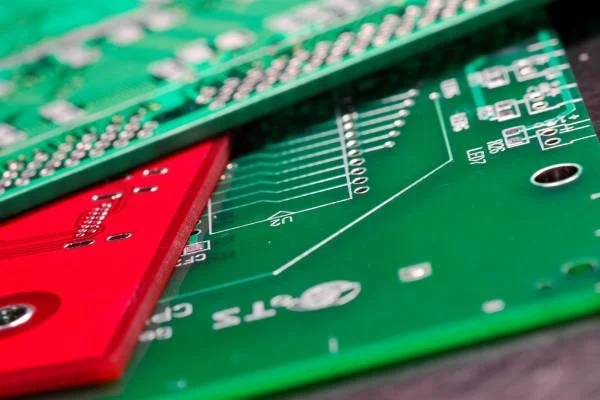
Benefits of Applying Design for Manufacturability Principles
Implementing design for manufacturability principles can bring numerous benefits. It can lead to a reduction in production costs, improved product quality, and a faster time to market. Moreover, it can also enhance the efficiency of the production process and reduce waste.

Key Considerations in Design for Manufacturability
When designing for manufacturability, it’s important to consider various factors such as the choice of materials, the complexity of the design, and the manufacturing processes involved. It’s also crucial to keep in mind the end-use of the product and any regulatory requirements that may apply.
For more insights on rapid prototyping solutions for hardware innovation, you can check out this descriptive anchor text.
By Ethan Carter, Published on 2025-11-09
