

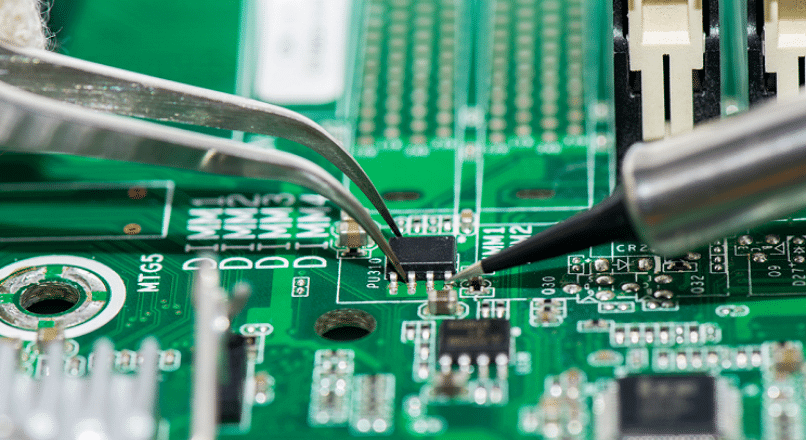
Signal integrity is a critical aspect of hardware design that ensures the proper functioning of a system. It is the measure of the quality of an electrical signal, which is a representation of data. This article delves into the concept of signal integrity, its importance, and how it is maintained in hardware design.
Before we delve deeper, you might want to read about the hardware manufacturing handoff process to understand the complete cycle of hardware design and manufacturing.
Importance of Signal Integrity
Signal integrity is vital in ensuring that a system performs as intended. Without maintaining signal integrity, a system might malfunction, leading to data corruption and loss. Therefore, it is crucial to consider signal integrity during the hardware design process.
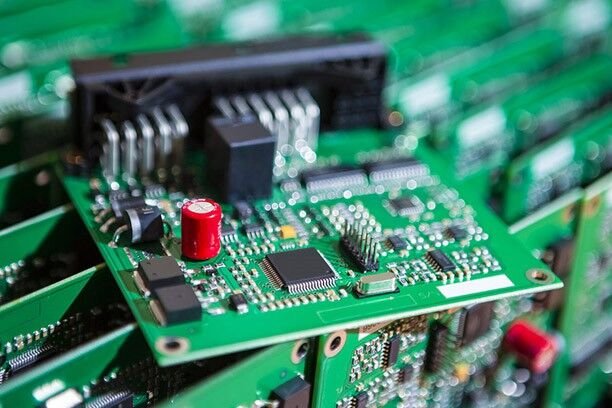
Maintaining Signal Integrity
Maintaining signal integrity involves various techniques and considerations. It includes understanding the interaction between the physical layout of the hardware and the electrical properties of the signal. The design of the hardware must accommodate these interactions to ensure signal integrity.

Challenges in Maintaining Signal Integrity
There are several challenges in maintaining signal integrity. These include managing the effects of noise, interference, and signal reflection. Overcoming these challenges requires a thorough understanding of the principles of signal integrity and careful design planning.
For more in-depth information on this topic, you can visit this comprehensive guide on hardware prototyping.
In conclusion, signal integrity is a critical aspect of hardware design that ensures the proper functioning of a system. It requires careful consideration during the design process to prevent system malfunctions and data corruption.
