

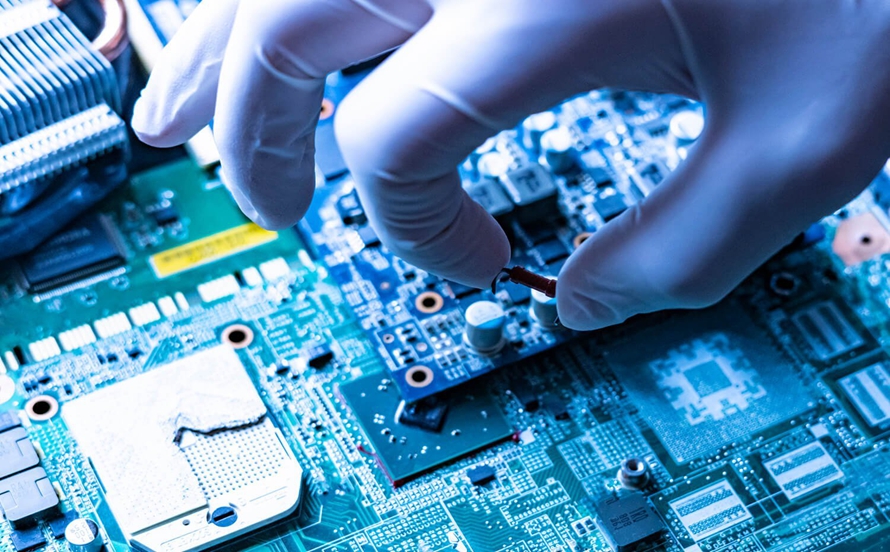
In the rapidly evolving world of electronics, the integration of smart analytics is reshaping how manufacturers operate, innovate, and compete. As we delve into this topic, its essential to understand how smart analytics in electronics manufacturing is not just a trend but a significant shift towards more efficient, cost-effective, and quality-driven production processes.
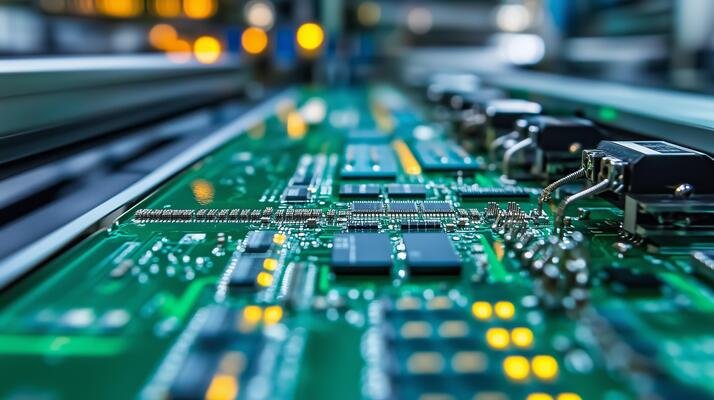
Introduction to Smart Analytics
Smart analytics refers to the advanced use of data analysis tools and techniques to gain insights that drive strategic decision-making. In the context of electronics manufacturing, these analytics are crucial for improving productivity, enhancing product quality, and reducing costs.
The Evolution of Electronics Manufacturing
Over the years, electronics manufacturing has seen significant technological advancements. From manual assembly lines to automated production, the industry has constantly evolved. Today, the focus is on integrating smart analytics to further streamline operations.
The Role of Data in Manufacturing
Data is at the core of smart analytics. By collecting and analyzing data from various stages of the manufacturing process, companies can identify inefficiencies and areas for improvement. This data-driven approach is crucial for maintaining competitiveness in the global market.
Benefits of Smart Analytics in Electronics Manufacturing
Enhanced Decision Making
With smart analytics, manufacturers can make informed decisions based on real-time data. This proactive approach helps in anticipating market demands and adjusting production schedules accordingly.
Improved Product Quality
Quality control is a critical aspect of electronics manufacturing. Through smart analytics, manufacturers can monitor production processes closely, ensuring that products meet the highest quality standards. This reduces the risk of defects and recalls.
Cost Reduction
Implementing smart analytics can lead to significant cost savings. By optimizing resource allocation and minimizing waste, manufacturers can reduce overall production costs. This efficiency translates into better pricing for consumers and higher profit margins for companies.
Applications of Smart Analytics
Predictive Maintenance
One of the most promising applications of smart analytics is predictive maintenance. By analyzing equipment data, manufacturers can predict when a machine is likely to fail and perform maintenance before it happens. This reduces downtime and extends the lifespan of machinery.
Supply Chain Optimization
Managing the supply chain is a complex task. With smart analytics, manufacturers can gain visibility into their supply chain operations, identify bottlenecks, and optimize logistics. This ensures timely delivery of raw materials and finished products.
Design for Manufacturing (DFM)
Designing products with manufacturing in mind is crucial for efficiency. Smart analytics can help in analyzing design data to ensure that products are easy to manufacture, leading to fewer production issues and faster time to market. For more on DFM, you can visit DFX in Turnkey Manufacturing.
Challenges in Implementing Smart Analytics
Data Integration
Integrating data from various sources can be challenging. Manufacturers need to ensure that their systems are compatible and capable of handling large volumes of data.
Skill Gap
There is a growing need for skilled professionals who can interpret and analyze data. Companies must invest in training their workforce or hiring experts in smart analytics.
Data Security
With the increased use of data, security becomes a major concern. Manufacturers must implement robust cybersecurity measures to protect sensitive information.
Future of Smart Analytics in Electronics Manufacturing
The future of electronics manufacturing is undoubtedly intertwined with smart analytics. As technology continues to advance, manufacturers will have even more sophisticated tools at their disposal. This will lead to even greater efficiencies and innovations within the industry.
Integration with IoT
The Internet of Things (IoT) is playing a significant role in the evolution of smart analytics. By connecting devices and systems, manufacturers can gain real-time insights and automate processes more effectively.
Sustainability and Green Practices
As the world moves towards sustainability, smart analytics will be crucial in adopting green practices within manufacturing. By optimizing resource usage, manufacturers can reduce their environmental impact. To learn more about sustainable practices, visit Green Practices in Turnkey PCB Assembly.
Conclusion
In conclusion, smart analytics in electronics manufacturing is not just a technological advancement but a necessity for staying competitive. By embracing these tools, manufacturers can enhance their operations, improve product quality, and drive innovation. The journey towards smart manufacturing is ongoing, and those who adapt will lead the industry into the future.
FAQs
What are smart analytics?
Smart analytics involves using advanced data analysis tools to gain insights and make informed decisions in various industries, including manufacturing.
How does smart analytics improve product quality?
By closely monitoring production processes and identifying potential defects early, smart analytics ensures that products meet high-quality standards.
What challenges do manufacturers face with smart analytics?
Manufacturers face challenges such as data integration, skill gaps, and data security when implementing smart analytics.
