

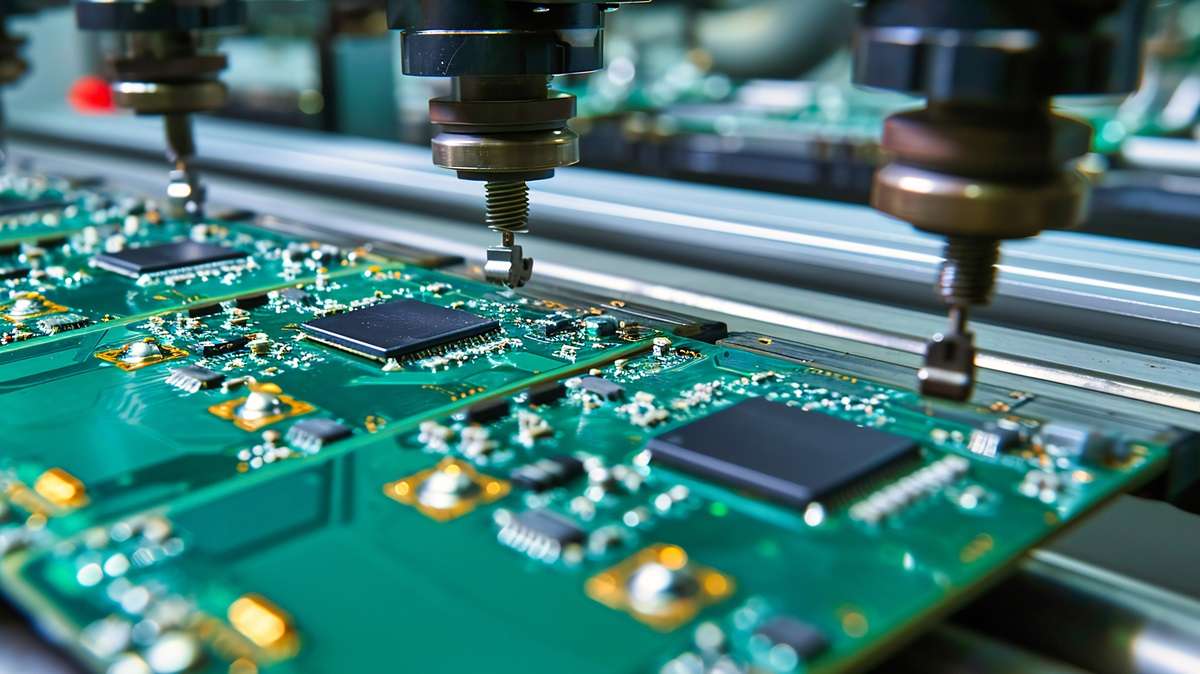
In the rapidly evolving world of startups, the path from concept to market-ready product can be daunting. Here, turnkey manufacturing for startups emerges as a game-changer. For startups aiming to streamline production and minimize time-to-market, turnkey solutions offer a seamless alternative.
Turnkey manufacturing is a term that resonates with efficiency and expertise. In essence, it refers to a comprehensive approach where a single provider oversees the entire production process, from design to delivery. This allows startups to focus on innovation and growth, while their manufacturing needs are expertly managed.
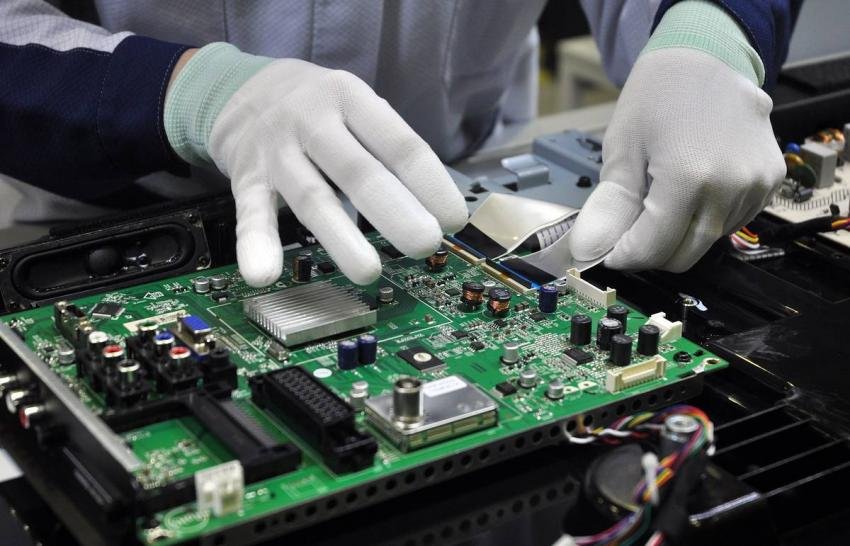
Understanding Turnkey Manufacturing
At its core, turnkey manufacturing involves delegating every aspect of production to a specialized provider. This includes design, prototyping, assembly, and even logistics. By entrusting these tasks to experts, startups can ensure quality and consistency, critical factors for success in competitive markets.
The Benefits for Startups
For startups, the benefits of turnkey manufacturing are manifold. First, it significantly reduces overhead costs associated with setting up and managing production facilities. Additionally, it allows startups to leverage the expertise of seasoned manufacturers, ensuring a higher quality of output.
Moreover, by opting for turnkey solutions, startups can scale their operations more flexibly. As demand increases, the manufacturing partner can adjust production rates accordingly, eliminating bottlenecks and enhancing efficiency.
Key Components of Turnkey Manufacturing
Understanding the key components of turnkey manufacturing is crucial for startups considering this approach. These components include:
Design and Prototyping
Design and prototyping are foundational stages in the manufacturing process. A turnkey provider will typically offer design services, helping to refine product concepts and create functional prototypes. This step is vital for identifying potential issues early and ensuring the product meets market standards.
Production and Assembly
Once the design is finalized, the turnkey provider manages the production and assembly processes. This includes sourcing materials, overseeing manufacturing, and conducting quality checks. By centralizing these functions, startups can maintain a high level of quality control.
Logistics and Distribution
Logistics and distribution are the final steps in the turnkey manufacturing process. Providers handle packaging, storage, and shipping, ensuring that products reach customers efficiently. This end-to-end service is a significant advantage for startups, freeing them to focus on other business areas.
Choosing the Right Turnkey Partner
Choosing the right turnkey partner is a critical decision for startups. It’s essential to conduct thorough research and consider factors such as experience, reputation, and the range of services offered. A good partner will not only meet current needs but will also be able to support future growth.
For more insights on the impact of 5G on IoT devices, startups can explore the broader technological landscape that influences manufacturing.
Challenges in Turnkey Manufacturing
While turnkey manufacturing offers many benefits, it’s not without challenges. Startups must be aware of potential pitfalls, such as communication barriers and cultural differences when working with international partners. Establishing clear communication channels and setting expectations early can mitigate these issues.
Additionally, startups should be mindful of intellectual property concerns. It’s crucial to have robust agreements in place to protect innovations and ensure mutual trust with the manufacturing partner.
The Future of Turnkey Manufacturing
The future of turnkey manufacturing for startups looks promising, particularly with advancements in technology. Automation and AI are set to revolutionize production processes, offering greater efficiency and precision. As these technologies become more accessible, startups can expect even more streamlined operations.
For those interested in open innovation, exploring how open innovation in IoT products can benefit their business might provide additional growth avenues.
Conclusion
In conclusion, turnkey manufacturing for startups represents a strategic approach to bringing products to market efficiently and effectively. By partnering with experienced providers, startups can focus on innovation and growth, confident that their manufacturing needs are in capable hands.
For a deeper understanding of the complexities and opportunities in turnkey manufacturing, visiting resources like Leads Intec can offer valuable insights into industry trends and best practices.

FAQs
What is turnkey manufacturing?
Turnkey manufacturing is a comprehensive production approach where a single provider manages every aspect of the manufacturing process, from design to delivery.
How does turnkey manufacturing benefit startups?
It benefits startups by reducing costs, ensuring quality, and providing scalability, allowing them to focus more on innovation and market strategy.
What should startups consider when choosing a turnkey manufacturing partner?
Startups should consider the partner’s experience, reputation, range of services, and ability to support future growth. Clear communication and strong agreements are also crucial to success.
