

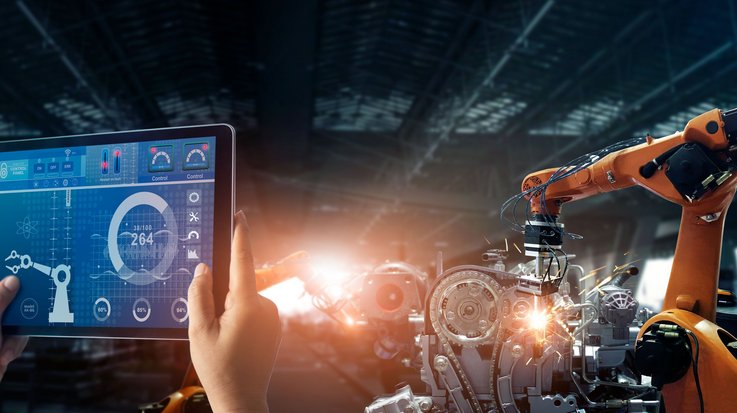
The future of IoT product design is a topic that excites both industry experts and technology enthusiasts. As the Internet of Things (IoT) continues to evolve, it brings forth new possibilities and challenges for designers and developers worldwide. The way products are conceptualized, created, and used is undergoing a tremendous transformation, paving the way for a more connected and efficient world.
In this article, we will delve into the emerging trends and potential advancements in the future of IoT product design and explore how they might shape our lives in the coming years.
Understanding IoT and Its Current Impact
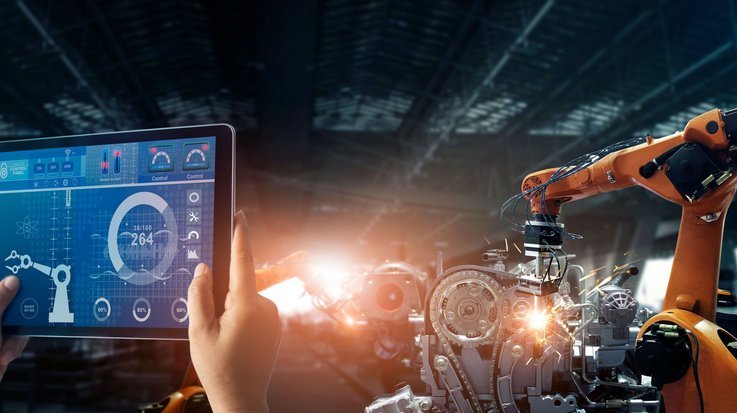
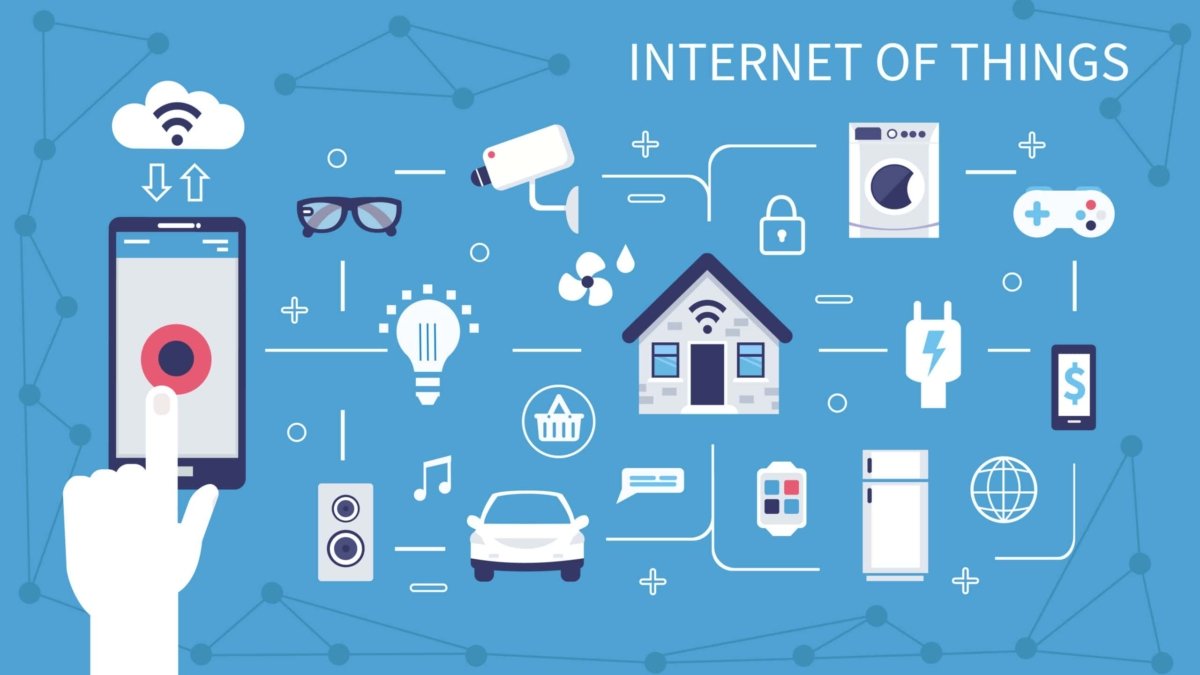
Before exploring the future, it is important to understand what IoT entails. IoT refers to the network of physical devices that are embedded with sensors, software, and other technologies to connect and exchange data with other devices and systems over the Internet. This concept has already made a significant impact across various sectors, including healthcare, transportation, and home automation.
Current Trends in IoT Product Design
Currently, the focus in IoT product design is on creating user-friendly interfaces, ensuring seamless connectivity, and enhancing data security. Designers are striving to integrate IoT functionalities without compromising on aesthetics and usability.
Anticipated Developments in IoT Product Design
1. Enhanced Connectivity
One of the most exciting prospects is the enhancement of connectivity. With the advent of 5G technology, IoT devices are expected to become faster and more reliable, enabling real-time data processing and reducing latency.
2. Increased Interoperability
Interoperability has been a challenge in the IoT space. However, future designs are expected to address this issue by creating more standardized protocols and platforms, allowing seamless communication between different devices. For more insights on IoT interoperability challenges, you can visit this resource.
3. Data Security and Privacy
As IoT devices proliferate, ensuring data security and privacy will become increasingly important. Future designs will likely incorporate advanced security measures to protect user data from breaches and unauthorized access.
4. Artificial Intelligence Integration
The integration of artificial intelligence (AI) with IoT is set to revolutionize product design. AI can enhance the capabilities of IoT devices, allowing them to learn from user behavior and make intelligent decisions.
The Role of Design in IoT Product Development
Design plays a crucial role in the development of IoT products. It is not just about aesthetics but also about functionality, usability, and user experience. Designers must consider various factors, such as device interaction, data visualization, and user feedback, to create products that meet user needs effectively.
User-Centric Design
User-centric design will continue to be a focal point in IoT product development. Understanding user behaviors, preferences, and pain points will help designers create intuitive and engaging interfaces.
Prototyping and Testing
Prototyping and testing are integral parts of the design process. Iterative testing allows designers to refine their products and ensure they meet quality standards and customer expectations.
Challenges in IoT Product Design
1. Complexity and Scalability
The complexity of IoT systems can be overwhelming for designers. Future designs must focus on scalability and simplicity to accommodate the growing number of connected devices.
2. Power Consumption
Power efficiency is a critical aspect of IoT product design. Designers need to find ways to reduce power consumption without compromising performance.
The Future of IoT in Various Industries
Healthcare
In healthcare, IoT devices are poised to revolutionize patient monitoring, diagnostics, and treatment. Smart wearables and remote monitoring systems will enable real-time health tracking and personalized care.
Transportation
The transportation industry will benefit from IoT by enhancing vehicle-to-vehicle communication, optimizing traffic management, and improving safety measures.
Smart Homes
Smart home devices will continue to evolve, offering enhanced automation and energy management solutions for homeowners. Learn more about IoT gateway design principles to understand how these systems integrate.
Conclusion
The future of IoT product design holds immense potential for innovation and growth. As technology advances, designers and developers will have the opportunity to create products that enhance our lives in unprecedented ways. By focusing on connectivity, interoperability, security, and user-centric design, the IoT industry can continue to thrive and transform various sectors.
For more information on the future of IoT and its impact on product development, you can visit Lanars Blog.
FAQ Section
What is IoT product design?
IoT product design involves creating devices and systems that connect and communicate over the Internet. It focuses on user experience, functionality, and connectivity.
Why is interoperability important in IoT?
Interoperability allows different IoT devices to communicate and work together seamlessly, enhancing their functionality and user experience.
How does AI impact IoT product design?
AI enhances IoT product design by enabling devices to learn from user behavior, make intelligent decisions, and provide personalized experiences.
