


In today’s rapidly evolving world, smart city IoT solutions are at the forefront of urban transformation. These solutions harness the power of the Internet of Things (IoT) to create efficient, sustainable, and livable cities. As cities around the globe embrace this cutting-edge technology, it’s crucial to understand how it impacts urban life. This guide explores the various aspects and applications of smart city IoT solutions, offering insights into their potential to revolutionize urban living.
1. What Are Smart City IoT Solutions?
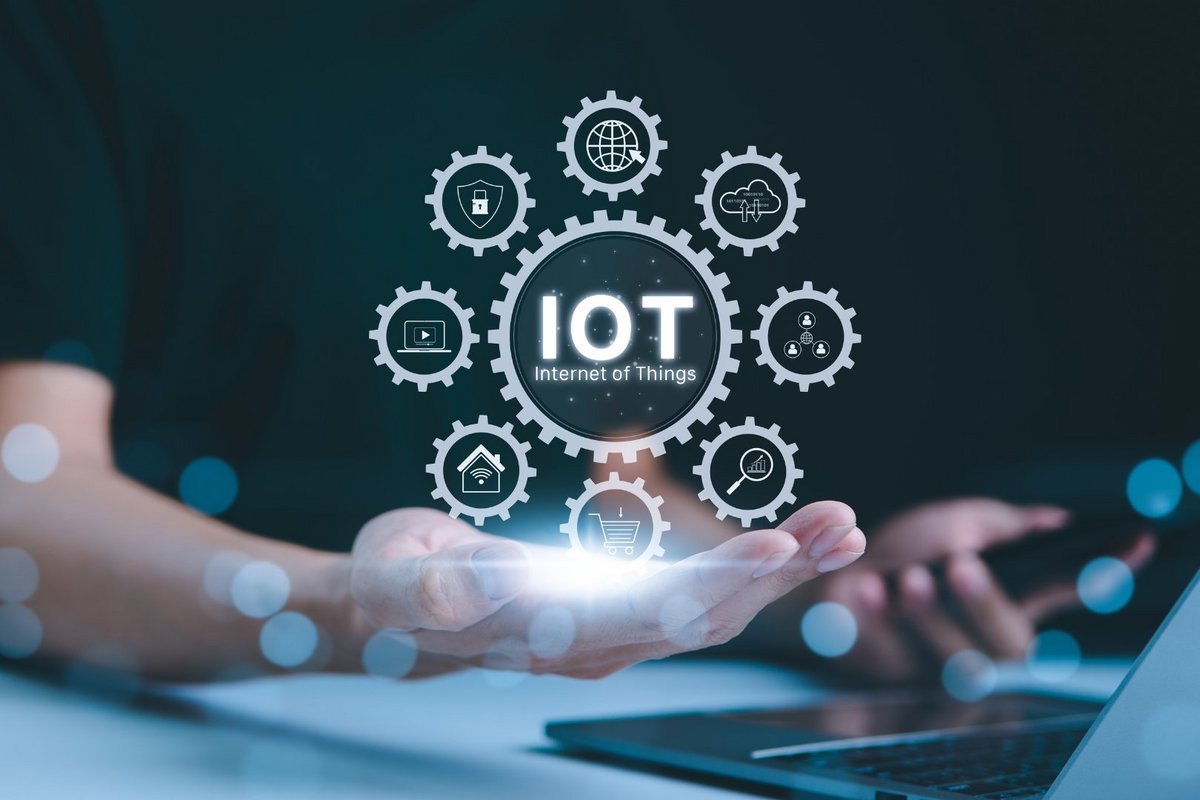
Smart city IoT solutions involve the integration of IoT technology into urban infrastructure to enhance city management and improve residents’ quality of life. By connecting devices and systems, these solutions enable real-time data collection and analysis, facilitating informed decision-making and resource optimization.
2. The Role of IoT in Urban Development
IoT plays a pivotal role in urban development by providing cities with the tools needed to tackle challenges such as traffic congestion, pollution, and energy consumption. By leveraging IoT, cities can create a more efficient and sustainable urban environment.
2.1. Enhancing Transportation Systems
One of the key applications of smart city IoT solutions is in transportation. IoT-enabled traffic management systems can monitor and manage traffic flow, reducing congestion and improving commute times. Additionally, smart parking solutions help drivers find available parking spots, saving time and reducing emissions.
2.2. Improving Public Safety
IoT technology enhances public safety by enabling real-time surveillance and emergency response systems. Smart cameras and sensors can detect unusual activities, alerting authorities to potential threats and allowing for quicker intervention.
3. Sustainable Energy Management
Efficient energy management is a cornerstone of smart cities. IoT solutions enable cities to monitor and optimize energy consumption, reducing waste and lowering carbon footprints. Smart grids and IoT-enabled buildings contribute to a more sustainable urban environment.
4. Waste Management and Environmental Monitoring
Smart city IoT solutions facilitate efficient waste management through the use of smart bins and sensors that monitor waste levels. This data-driven approach ensures timely waste collection and reduces environmental impact. Moreover, IoT sensors monitor air and water quality, providing valuable data for environmental protection efforts.
5. The Impact on Residents
Smart cities offer numerous benefits to residents, including improved quality of life, enhanced convenience, and increased safety. Access to real-time information empowers residents to make informed decisions about their daily activities, from choosing the best route to work to monitoring energy usage at home.
5.1. Citizen Engagement
IoT solutions facilitate citizen engagement by providing platforms for residents to report issues, offer feedback, and participate in city planning. This collaborative approach fosters a sense of community and empowers residents to contribute to the development of their city.
5.2. Health and Well-being
Smart city IoT solutions also impact health and well-being by enabling telemedicine and remote health monitoring services. These services provide residents with easy access to healthcare, reducing the need for physical visits and improving overall health outcomes.
6. Challenges and Considerations
While the benefits of smart city IoT solutions are significant, there are challenges to consider. Issues such as data privacy, cybersecurity, and the digital divide must be addressed to ensure the successful implementation of IoT technology in urban environments.
6.1. Data Privacy and Security
Protecting residents’ data is paramount in smart cities. IoT solutions must have robust security measures in place to prevent unauthorized access and ensure data privacy. IoT Interoperability is a key consideration, as seamless communication between devices is crucial for maintaining security.
6.2. Bridging the Digital Divide
Ensuring equitable access to smart city technologies is essential. Efforts must be made to bridge the digital divide and provide all residents with the necessary tools and resources to benefit from IoT solutions. Version Control for IoT firmware plays a role in maintaining accessibility and functionality for all users.
7. The Future of Smart Cities
The future of smart cities is bright, with ongoing advancements in IoT technology paving the way for even greater transformations. As cities continue to evolve, they will become more interconnected, efficient, and sustainable, offering enhanced quality of life for all residents.
7.1. Innovations on the Horizon
Emerging technologies such as 5G, artificial intelligence, and blockchain are set to further enhance smart city IoT solutions. These innovations will enable faster data processing, improved decision-making, and increased transparency in city management.
7.2. Global Collaboration
Collaboration between cities, technology providers, and policymakers is essential for the continued success of smart city initiatives. Sharing knowledge and best practices will drive innovation and help cities overcome common challenges. Internet of Things Product Development offers insights into how technology can be leveraged for urban transformation.
FAQs
What are smart city IoT solutions?
Smart city IoT solutions involve integrating IoT technology into urban infrastructure to improve city management and residents’ quality of life.
How do smart city IoT solutions benefit residents?
These solutions offer benefits such as improved transportation, enhanced public safety, efficient energy management, and access to real-time information.
What challenges do smart city IoT solutions face?
Challenges include data privacy, cybersecurity, and bridging the digital divide to ensure equitable access to technology.
