

In today’s rapidly evolving digital landscape, the concept of multi-device synchronization in IoT is becoming increasingly significant. As the Internet of Things (IoT) continues to expand, the need for seamless connectivity and synchronization among various devices is more critical than ever. This article delves into the intricacies of how devices in an IoT ecosystem communicate and synchronize with each other, providing insights for exporters and importers who are keen on integrating IoT solutions into their operations.
Understanding IoT and Its Significance
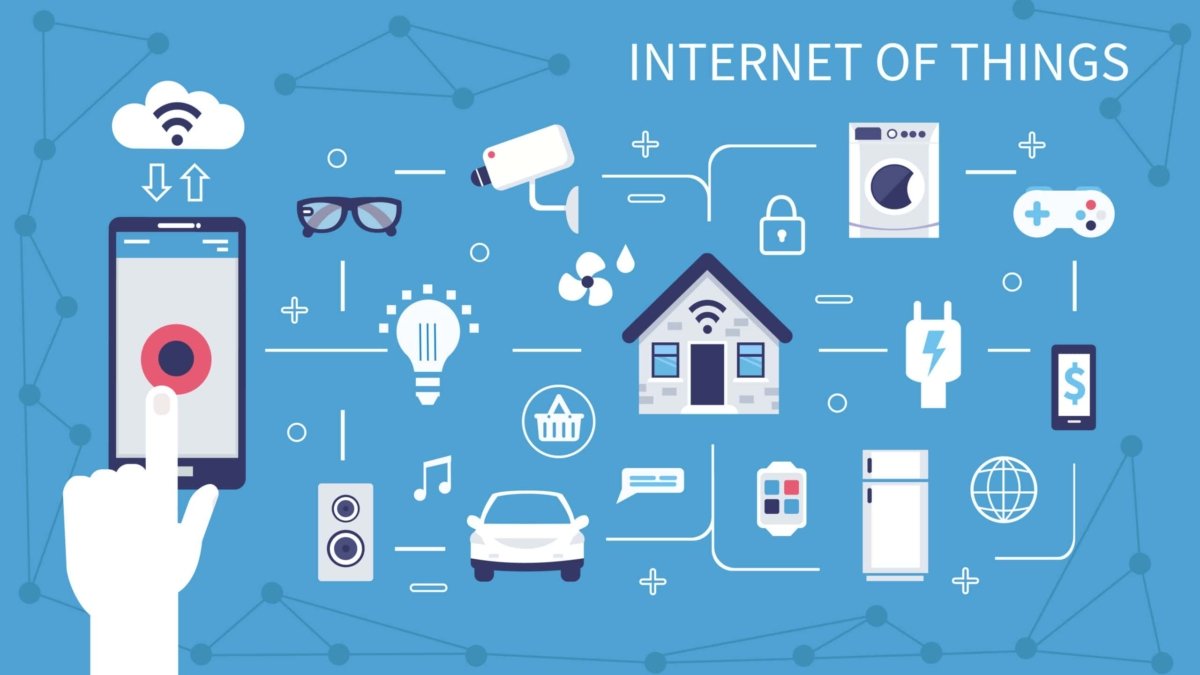
The Internet of Things, commonly known as IoT, refers to the interconnection of everyday objects to the internet, allowing them to send and receive data. This technology enables devices to communicate with each other, leading to enhanced automation and efficiency. For businesses, particularly those involved in export and import, IoT can streamline processes, reduce costs, and improve supply chain management.
The Role of Connectivity in IoT
Connectivity is the backbone of IoT. Without reliable connectivity, devices cannot communicate effectively, leading to disruptions and inefficiencies. In the context of multi-device synchronization in IoT, connectivity ensures that all devices are working in harmony, sharing data in real-time to facilitate informed decision-making.
Challenges in Multi-Device Synchronization
While the benefits of IoT are immense, achieving seamless synchronization across multiple devices is not without challenges. Some of the common hurdles include:
Network Reliability
Ensuring consistent network reliability is crucial for effective synchronization. Any network downtimes can lead to data loss and communication breakdowns.
Data Security
With multiple devices connected, maintaining data security becomes a priority. Businesses must implement robust security measures to protect sensitive data from potential breaches.
Interoperability
Devices from different manufacturers may use varying protocols, making interoperability a significant challenge. Ensuring that all devices can communicate seamlessly requires standardized protocols.
Strategies for Achieving Seamless Synchronization
To overcome these challenges and achieve seamless multi-device synchronization in IoT, businesses can adopt the following strategies:
Implementing Standardized Protocols
Using standardized communication protocols can significantly enhance interoperability among devices, facilitating smoother synchronization.
Investing in Reliable Network Infrastructure
A robust network infrastructure is essential for maintaining consistent connectivity across all devices. Businesses should invest in high-quality network solutions to minimize disruptions.
Enhancing Security Measures
Implementing advanced security protocols can help protect data integrity and confidentiality, ensuring that sensitive information remains secure.
The Future of Multi-Device Synchronization in IoT
As IoT technology continues to evolve, the ability to synchronize multiple devices will become increasingly sophisticated. Future developments may include:
AI-Driven Automation
Artificial intelligence (AI) will play a pivotal role in enhancing synchronization capabilities, allowing devices to learn from data and optimize their communication processes. For more insights on AI integration, you can check out AI integration in IoT products.
Advanced Analytics
Advanced data analytics will enable businesses to gain deeper insights into their operations, allowing for more informed decision-making and improved efficiency.
Enhanced User Experiences
With improved synchronization, end-users can enjoy more seamless and intuitive experiences, further driving the adoption of IoT solutions.
Real-World Applications of IoT Synchronization
Several industries are already benefiting from multi-device synchronization in IoT. Some notable examples include:
Smart Home Systems
IoT-enabled smart homes allow users to control lighting, heating, and security systems from a single interface, providing convenience and energy efficiency.
Supply Chain Management
In the logistics sector, IoT devices can track shipments in real-time, ensuring timely deliveries and reducing the risk of lost or damaged goods. For further information on remote monitoring in logistics, explore remote monitoring using IoT.
Healthcare
In healthcare, IoT devices enable remote patient monitoring, allowing doctors to track vital signs and provide timely interventions.
Conclusion
The potential of multi-device synchronization in IoT is vast, offering businesses new opportunities to enhance their operations and deliver better value to their customers. By understanding the challenges and implementing effective strategies, businesses can unlock the full potential of IoT technology. For further reading on IoT development, consider this guide on IoT product development.
FAQ
What is multi-device synchronization in IoT?
Multi-device synchronization in IoT refers to the process of ensuring that multiple IoT devices can communicate and share data with each other in real-time, allowing for seamless integration and operation.
Why is synchronization important in IoT?
Synchronization is crucial in IoT as it ensures that all connected devices work in harmony, facilitating efficient data exchange and enabling intelligent automation.
How can businesses benefit from IoT synchronization?
Businesses can benefit from IoT synchronization by improving operational efficiency, reducing costs, and enhancing decision-making through real-time data insights.
