


The world of business is constantly evolving, driven by technological advancements that are reshaping how companies operate and compete. Among these advancements, IoT predictive analytics stands out as a transformative force, especially for exporters and importers looking to optimize their operations, reduce costs, and enhance efficiency. In this article, we will delve into the realm of IoT predictive analytics, exploring its potential and application in modern business practices.
The Basics of IoT Predictive Analytics
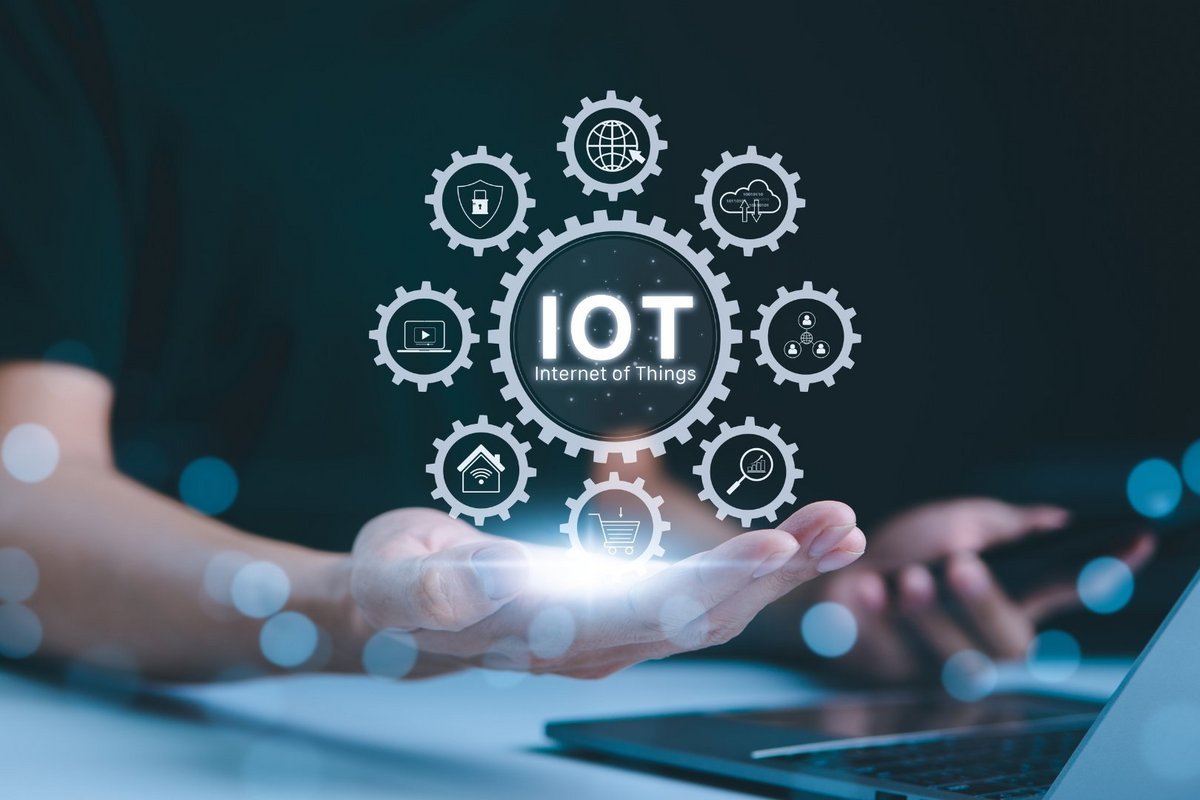
Before diving into its applications, it is crucial to understand what IoT predictive analytics entails. At its core, it involves using data gathered from Internet of Things (IoT) devices to predict future events. This prediction is achieved through algorithms that detect patterns and trends within the data. By leveraging these insights, businesses can make proactive decisions, thus staying ahead of potential challenges.
The Importance of Data in IoT Predictive Analytics
Data is the lifeblood of IoT predictive analytics. Without it, deriving meaningful insights would be impossible. IoT devices generate vast amounts of data in real-time, capturing information on everything from temperature and humidity to machine performance and location. This wealth of data, when analyzed effectively, can provide businesses with a competitive edge.
Data Collection and Management
For IoT predictive analytics to be effective, businesses must establish robust data collection and management systems. This involves integrating IoT devices across various touchpoints and ensuring that the data collected is accurate, reliable, and up-to-date. Proper data management also involves storing data securely and making it easily accessible for analysis.
Analyzing Data
Once data is collected, the next step is analysis. This process involves using advanced algorithms and machine learning techniques to identify patterns and trends. The insights derived from this analysis can then be used to predict future outcomes, allowing businesses to make informed decisions. For example, by analyzing data from sensors in a warehouse, a company might predict equipment failures before they happen, thus reducing downtime and maintenance costs.
Applications of IoT Predictive Analytics
The applications of IoT predictive analytics are vast and varied, offering benefits across numerous sectors.
Supply Chain Optimization
For exporters and importers, supply chain optimization is critical. IoT predictive analytics can enhance supply chain efficiency by providing insights into potential disruptions, optimizing inventory levels, and improving demand forecasting. By predicting potential delays or disruptions, businesses can make contingency plans, ensuring smooth operations.
Predictive Maintenance
Another significant application is predictive maintenance. By analyzing data from machinery and equipment, businesses can predict when maintenance is required, thus preventing unexpected breakdowns. This proactive approach not only reduces downtime but also extends the lifespan of equipment, leading to cost savings.
Customer Experience Enhancement
In today’s competitive market, delivering an exceptional customer experience is crucial. IoT predictive analytics can help businesses anticipate customer needs and preferences, enabling them to tailor their offerings accordingly. For instance, by analyzing data from smart devices, a retailer might predict when a customer is likely to make a purchase and offer personalized promotions to encourage sales.
Challenges and Considerations
While the potential of IoT predictive analytics is immense, businesses must be aware of the challenges involved.
Data Privacy and Security
With the vast amounts of data being collected, ensuring data privacy and security is paramount. Businesses must implement stringent security measures to protect sensitive information from cyber threats.
Integration and Scalability
Integrating IoT devices and predictive analytics into existing systems can be complex. Businesses must ensure that their infrastructure can handle the increased data load and that the solutions implemented are scalable to accommodate future growth.
Future of IoT Predictive Analytics
As technology continues to advance, the future of IoT predictive analytics looks promising. Innovations such as artificial intelligence and machine learning are set to enhance predictive capabilities, providing even deeper insights. Businesses that embrace these advancements will be better positioned to thrive in an increasingly competitive landscape.
For more insights on how IoT is shaping the future of business, consider exploring the impact of IoT in product management.
Conclusion: Embracing the Power of IoT Predictive Analytics
In conclusion, IoT predictive analytics offers a wealth of opportunities for businesses looking to optimize their operations and gain a competitive edge. By harnessing the power of data and predictive insights, companies can make informed decisions, anticipate challenges, and deliver exceptional customer experiences. As technology continues to evolve, those who embrace these advancements will undoubtedly lead the way in their respective industries.
FAQ
What is IoT Predictive Analytics?
IoT Predictive Analytics involves using data from IoT devices to predict future events and trends, allowing businesses to make proactive decisions.
How can IoT Predictive Analytics benefit exporters and importers?
For exporters and importers, IoT Predictive Analytics can optimize supply chains, improve demand forecasting, and reduce operational costs through predictive maintenance.
What are the challenges of implementing IoT Predictive Analytics?
Challenges include ensuring data privacy and security, managing integration into existing systems, and ensuring scalability to accommodate growth.
Learn more about the integration of artificial intelligence in AI IoT integration and how it enhances predictive analytics capabilities.
