

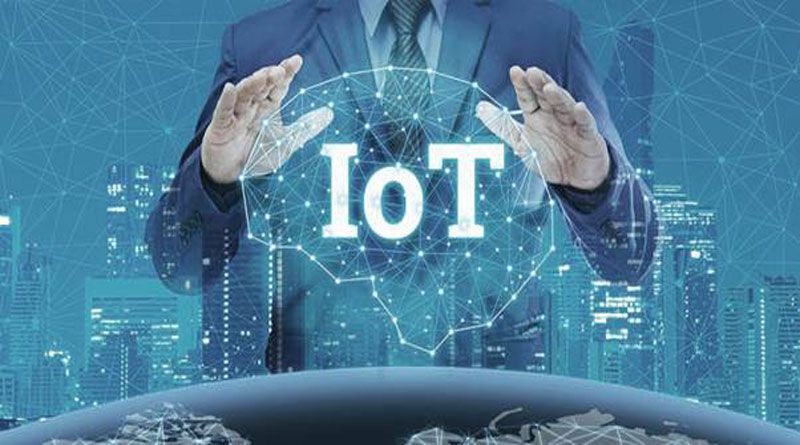
In the rapidly evolving landscape of technology, ensuring the security of IoT devices has become increasingly crucial. The integration of blockchain for IoT security offers a promising solution to the myriad security challenges faced by connected devices today. This article explores how blockchain technology can enhance the security of IoT systems, making them more resilient and reliable.

Understanding IoT and Its Security Challenges
The Internet of Things (IoT) refers to a network of interconnected devices that communicate and share data with each other. While IoT technology brings numerous advantages, such as improved efficiency and convenience, it also presents significant security risks. Hackers can exploit vulnerabilities in IoT devices, leading to data breaches and unauthorized access.
Key Security Concerns in IoT
- Data Privacy: Protecting sensitive information from unauthorized access.
- Device Authentication: Ensuring only authorized devices can connect to the network.
- Data Integrity: Preventing data tampering and ensuring data accuracy.
- Scalability: Managing the security of a vast number of interconnected devices.
How Blockchain Addresses IoT Security Issues
Blockchain technology offers several features that can significantly enhance the security of IoT systems. By leveraging blockchain, IoT networks can achieve greater transparency, immutability, and decentralization.
Decentralized Data Management
One of the core principles of blockchain is its decentralized nature. Unlike traditional centralized systems, blockchain distributes data across a network of nodes, making it difficult for any single entity to control or manipulate the data. This decentralization reduces the risk of a single point of failure, enhancing the overall security of IoT networks.
Enhanced Data Integrity
Blockchain’s immutability ensures that once data is recorded, it cannot be altered or deleted. This feature is particularly beneficial for IoT systems, as it guarantees the accuracy and authenticity of data exchanged between devices.
Secure Device Authentication
Blockchain can facilitate secure device authentication through smart contracts. Smart contracts are self-executing contracts with the terms of the agreement directly written into code. They enable secure and automated verification of device identities, ensuring that only authorized devices can access the network.
Improved Privacy Protection
By utilizing blockchain’s cryptographic features, IoT networks can enhance data privacy. Blockchain technology can encrypt data, ensuring that sensitive information remains confidential and protected from unauthorized access.
Real-World Applications of Blockchain in IoT Security
Several industries are already leveraging blockchain to enhance the security of their IoT systems. Some notable applications include:
Smart Homes
Smart home devices rely on secure communication to function effectively. By integrating blockchain, homeowners can ensure that their devices are protected from cyber threats and unauthorized access. For more on IoT products, visit this IoT development guide.
Supply Chain Management
Blockchain can enhance the security and transparency of supply chain operations by providing a tamper-proof record of transactions. This capability is particularly valuable for tracking the movement of goods and ensuring the authenticity of products.
Healthcare
In the healthcare sector, IoT devices are used to monitor patients’ health and collect critical data. Blockchain can secure this sensitive information, ensuring data integrity and protecting patient privacy.
Automotive Industry
Connected vehicles rely on IoT technology for various functions, such as navigation and communication. Blockchain can enhance security by providing tamper-proof records of vehicle data and ensuring secure communication between vehicles and infrastructure.
Challenges and Considerations
While blockchain offers numerous benefits for IoT security, it also presents certain challenges and considerations.
Scalability Issues
Blockchain networks can face scalability challenges due to their resource-intensive nature. As the number of IoT devices grows, ensuring the scalability of blockchain solutions becomes crucial.
Interoperability
Integrating blockchain with existing IoT systems may require addressing interoperability issues. Ensuring seamless communication between blockchain networks and IoT devices is essential for successful implementation.
Cost Implications
Implementing blockchain solutions can involve significant costs, including infrastructure and maintenance expenses. Organizations must carefully evaluate the cost-benefit ratio before adopting blockchain for IoT security.
The Future of Blockchain and IoT Security
The potential of blockchain for IoT security is immense. As technology continues to advance, we can expect further innovations and improvements in the integration of blockchain and IoT systems. Organizations that embrace these advancements will be better equipped to secure their IoT networks and protect sensitive data.
Conclusion
In conclusion, blockchain technology offers a powerful solution to the security challenges faced by IoT systems. By leveraging blockchain’s features, such as decentralization, immutability, and cryptographic security, organizations can enhance the security and reliability of their IoT networks. As the IoT ecosystem continues to expand, adopting blockchain technology will be essential for safeguarding data and ensuring the integrity of connected devices.
FAQs
1. How does blockchain improve IoT security?
Blockchain improves IoT security by providing decentralized data management, enhanced data integrity, and secure device authentication. Its cryptographic features also enhance privacy protection.
2. What are the challenges of integrating blockchain with IoT?
Challenges include scalability issues, interoperability with existing systems, and cost implications. Organizations must address these challenges to successfully integrate blockchain with IoT.
3. Which industries benefit from blockchain IoT integration?
Industries such as smart homes, supply chain management, healthcare, and automotive benefit from blockchain IoT integration, as it enhances security, transparency, and data integrity.
