


In today’s rapidly advancing technological landscape, the Internet of Things (IoT) is playing an increasingly significant role. With the proliferation of IoT devices, ensuring IoT product security best practices is of paramount importance. As these devices become more integrated into our daily lives, the need to prioritize their security cannot be overstated. From smart homes to industrial applications, the potential vulnerabilities are numerous, making the implementation of best security practices crucial.
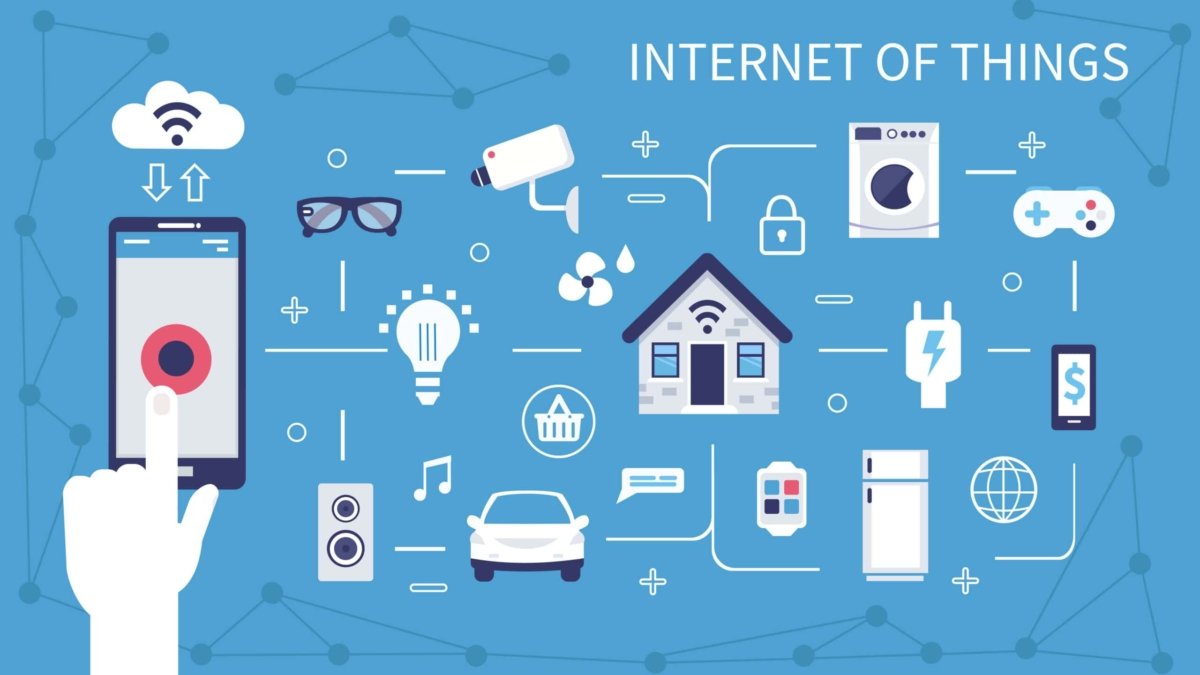
Understanding the Importance of IoT Security
IoT devices are inherently connected to the internet, making them susceptible to various cyber threats. The importance of securing these devices is underscored by the fact that they often handle sensitive data and can be used to control critical systems. As such, safeguarding these devices through IoT product security best practices is essential to prevent unauthorized access and potential breaches.
Key Security Challenges in IoT
Before diving into the best practices, it is important to understand the key security challenges that IoT devices face. These include:
Lack of Standardization
The IoT ecosystem is diverse, comprising various devices and platforms. This lack of standardization can lead to inconsistencies in security protocols, creating vulnerabilities that hackers can exploit.
Resource Constraints
Many IoT devices are resource-constrained, meaning they have limited processing power and memory. This can make implementing robust security measures challenging.
Scalability Issues
As the number of IoT devices increases, managing and securing them becomes more complex. Ensuring that all devices remain secure at scale is a significant challenge.
Implementing IoT Product Security Best Practices
To address these challenges and enhance the security of IoT devices, the following best practices should be implemented:
1. Conduct Regular Security Audits
Regular security audits are crucial to identifying potential vulnerabilities in IoT devices. By assessing the current security posture of devices, organizations can proactively address any weaknesses.
2. Use Strong Authentication Mechanisms
Implementing robust authentication mechanisms is essential to prevent unauthorized access to IoT devices. This includes using strong passwords, two-factor authentication, and biometric verification where possible.
3. Keep Software and Firmware Updated
Regular updates to software and firmware are vital to patching known vulnerabilities. Ensuring that IoT devices are running the latest versions can help protect against emerging threats.
4. Encrypt Data Transmission
Encryption is a critical component of IoT security. By encrypting data transmitted between devices, organizations can protect sensitive information from being intercepted by malicious actors.
5. Implement Network Segmentation
Network segmentation involves dividing a network into smaller, isolated segments. This can limit the impact of a security breach by containing it within a specific segment.
6. Monitor IoT Networks Continuously
Continuous monitoring of IoT networks is essential for detecting and responding to security threats in real-time. Implementing automated monitoring solutions can help organizations stay ahead of potential attacks.
7. Educate Users on IoT Security
Educating users about the importance of IoT security and how to use devices securely is critical. This includes training on recognizing phishing attacks and understanding the significance of regular updates.
Innovative Approaches to IoT Security
Beyond traditional security measures, innovative approaches are emerging to enhance IoT security. These include:
Blockchain Technology
Blockchain technology offers a decentralized approach to securing IoT networks. By providing a tamper-proof record of transactions, blockchain can enhance the integrity and transparency of IoT systems.
Machine Learning and AI
Machine learning and artificial intelligence are increasingly being used to detect anomalies and predict potential threats in IoT networks. These technologies can analyze vast amounts of data to identify patterns indicative of a security breach.
Resources for Further Learning
For those interested in delving deeper into IoT product security best practices, the following resources offer valuable insights:

FAQs
What are the main challenges in securing IoT devices?
The main challenges include lack of standardization, resource constraints, and scalability issues.
How can blockchain technology enhance IoT security?
Blockchain provides a decentralized and tamper-proof record of transactions, enhancing the integrity and transparency of IoT systems.
Why is continuous monitoring important for IoT networks?
Continuous monitoring allows for real-time detection and response to security threats, helping organizations stay ahead of potential attacks.
