


In today’s ever-evolving world of technology, designing with rugged components has become a critical aspect for industries that require durable and reliable equipment. From military applications to industrial automation, the need for components that can withstand harsh environments is more important than ever. This article delves into the intricacies of designing with rugged components, offering insights and practical tips for achieving optimal results.

Understanding Rugged Components
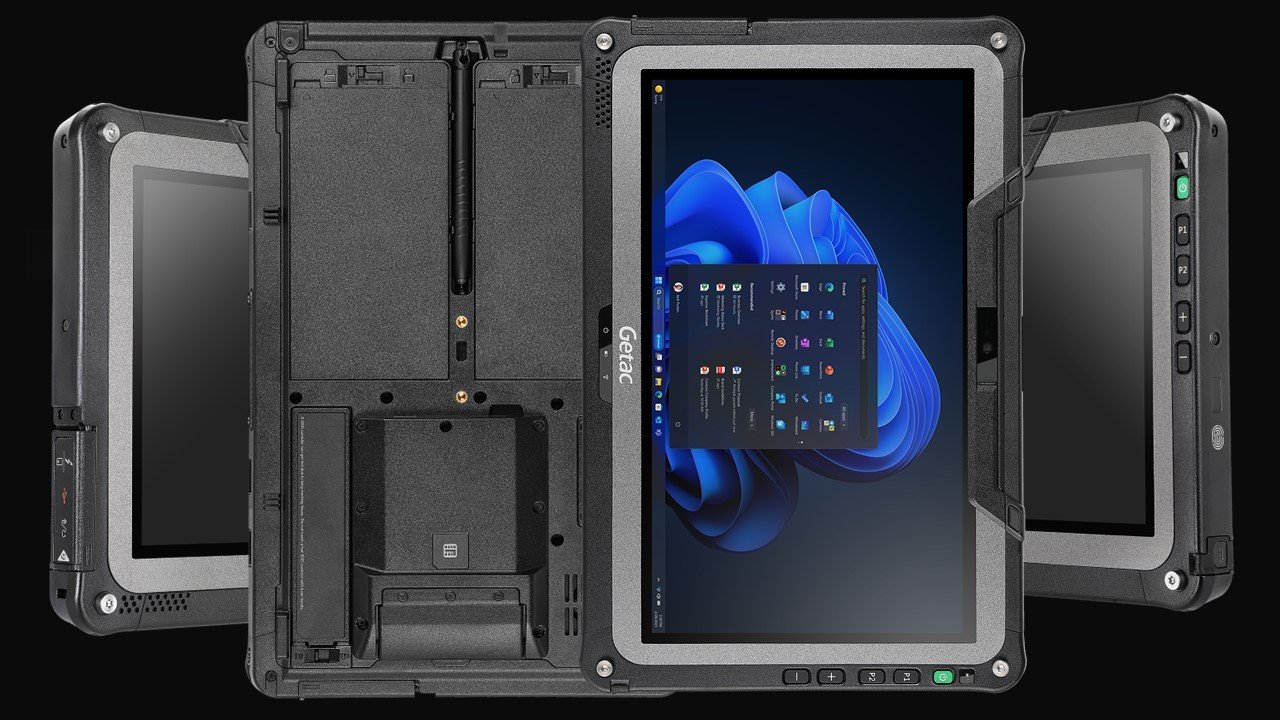
Rugged components are specially designed to endure extreme conditions such as high temperatures, moisture, and mechanical stress. These components are crucial in sectors where failure is not an option. Understanding the characteristics and benefits of rugged components is the first step in incorporating them into your designs.
Benefits of Using Rugged Components
The primary advantage of using rugged components is their ability to operate reliably under challenging conditions. This reliability translates into reduced downtime and maintenance costs, which is particularly beneficial in critical applications. Additionally, rugged components often have a longer lifespan, ensuring that your systems remain operational for extended periods.
Industries Relying on Rugged Design
Several industries heavily rely on rugged design, including the military, aerospace, automotive, and telecommunications. These sectors demand equipment that can function flawlessly in extreme conditions, making rugged components an essential part of their operations.
Key Considerations in Designing with Rugged Components
When designing with rugged components, several factors must be considered to ensure the success of your project. These include:
Material Selection
Choosing the right materials is crucial when designing with rugged components. Materials must be able to withstand environmental stressors while maintaining their integrity and performance.
Environmental Testing
Conducting thorough environmental testing is essential to validate the performance of your rugged components. This testing ensures that your design can withstand the conditions it will be exposed to.
Compliance with Standards
Adhering to industry standards and regulations is vital when designing with rugged components. Compliance ensures that your designs meet safety and quality requirements, providing peace of mind to both manufacturers and end-users.
Challenges in Designing with Rugged Components
While designing with rugged components offers numerous benefits, it also presents unique challenges. These challenges include:
Cost Implications
Rugged components often come with a higher price tag due to their specialized nature. Balancing cost considerations with performance requirements is a common challenge faced by designers.
Design Complexity
Incorporating rugged components into your designs can add complexity, particularly in terms of size, weight, and integration. Overcoming these complexities requires careful planning and expertise.
Practical Tips for Designing with Rugged Components
To successfully design with rugged components, consider the following practical tips:
Collaborate with Experts
Working with experts in rugged design can provide valuable insights and guidance, ensuring that your designs meet the required specifications and performance standards.
Utilize Simulation Tools
Simulation tools allow designers to test their designs virtually, identifying potential issues and optimizing performance before physical prototypes are created.
Focus on Redundancy
Incorporating redundancy into your designs can enhance reliability and ensure system functionality even in the event of component failure.
The Future of Rugged Design
The demand for rugged components is expected to grow as industries continue to prioritize reliability and durability in their operations. Emerging technologies and advancements in materials science will further enhance the capabilities of rugged components, paving the way for innovative applications.
Conclusion
Designing with rugged components is an essential practice for industries that require reliable and durable equipment. By understanding the benefits, challenges, and key considerations, designers can create robust systems that withstand the test of time. As technology continues to evolve, the role of rugged components in shaping the future of engineering cannot be overstated.
FAQ
What are rugged components?
Rugged components are specially designed parts that can withstand harsh environmental conditions, such as extreme temperatures and mechanical stress.
Why are rugged components important?
Rugged components are crucial for industries that require reliable and durable equipment, reducing downtime and maintenance costs while ensuring operational efficiency.
What industries use rugged components?
Industries such as the military, aerospace, automotive, and telecommunications rely on rugged components for their critical applications.
For more in-depth insights and updates on rugged design, you can explore the future of rugged electronics. Additionally, learn about the rugged gear guide for further understanding of rugged technology.
