


In today’s fast-paced and ever-evolving global market, AI-powered rugged systems have emerged as a game-changer for exporters and importers. These systems are designed to withstand extreme conditions while providing intelligent solutions that enhance operational efficiency and productivity. As businesses seek to optimize their supply chain processes, the integration of AI technology into rugged systems offers a promising solution to meet these demands.
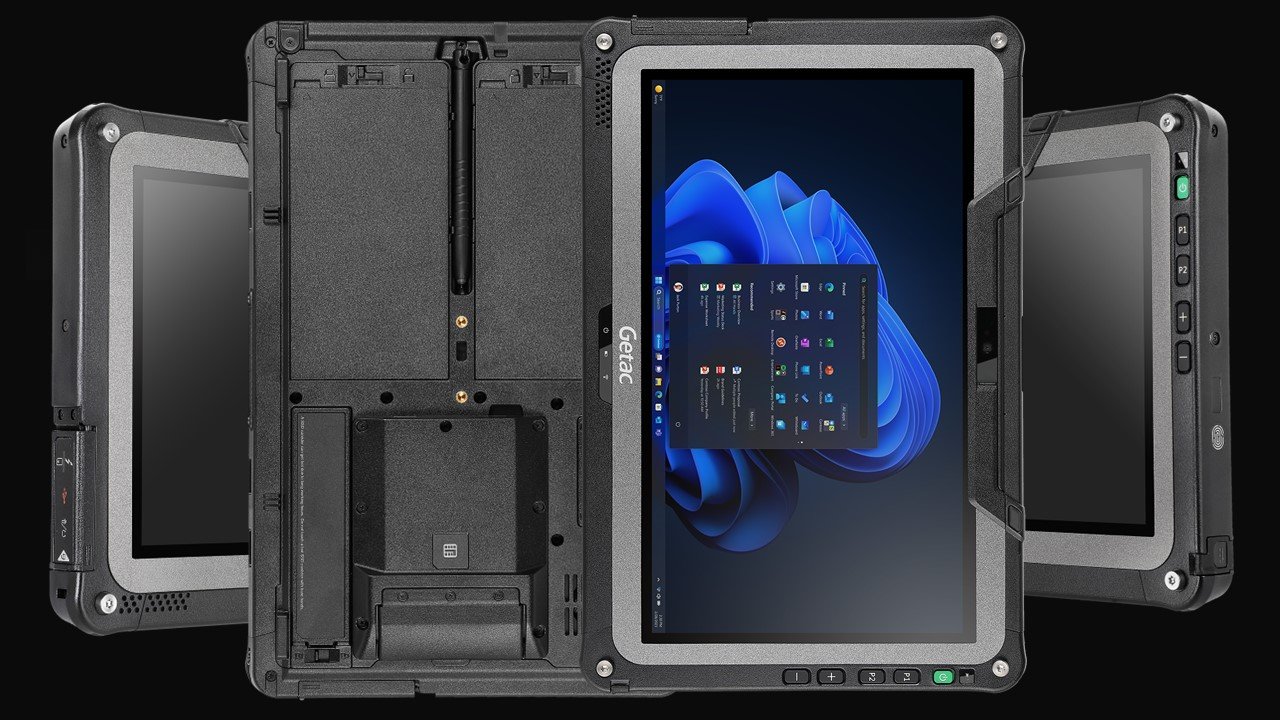
What Are AI-Powered Rugged Systems?
AI-powered rugged systems are advanced technological solutions that combine artificial intelligence with robust hardware designed to operate in challenging environments. These systems are built to endure harsh conditions, such as extreme temperatures, dust, and vibrations, while delivering reliable performance. The integration of AI enables these systems to analyze data, make informed decisions, and automate processes, thereby improving overall efficiency.
The Importance of Rugged Systems in Global Trade
In the world of global trade, the durability and reliability of equipment are crucial. Rugged systems are essential for exporters and importers as they ensure seamless operations even in the most demanding environments. These systems are commonly used in logistics, transportation, and warehousing, where exposure to extreme conditions is inevitable. With the integration of AI, these systems can optimize routes, predict maintenance needs, and enhance supply chain visibility.
Enhancing Efficiency with AI
The integration of AI into rugged systems offers numerous benefits for businesses involved in global trade. By leveraging AI algorithms, these systems can process large datasets in real-time, providing valuable insights for decision-making. For instance, AI can optimize shipping routes based on weather conditions, traffic patterns, and fuel consumption, ultimately reducing costs and delivery times. Additionally, AI-powered systems can predict equipment failures, allowing for proactive maintenance and minimizing downtime.
Improving Supply Chain Visibility
Supply chain visibility is a critical factor for exporters and importers to ensure timely deliveries and customer satisfaction. AI-powered rugged systems offer real-time tracking and monitoring capabilities, enabling businesses to have a comprehensive view of their supply chain operations. With AI, companies can identify bottlenecks, track inventory levels, and monitor the condition of goods throughout the transportation process. This level of visibility enhances transparency and allows for better decision-making.
Applications of AI-Powered Rugged Systems
The applications of AI-powered rugged systems are diverse and span across various industries. In the logistics sector, these systems are used for fleet management, route optimization, and asset tracking. In the manufacturing industry, rugged systems with AI capabilities are employed for quality control, predictive maintenance, and process automation. Additionally, in the agriculture sector, AI-powered rugged devices are utilized for precision farming, crop monitoring, and equipment management.
Fleet Management and Route Optimization
For businesses involved in transportation and logistics, efficient fleet management is essential. AI-powered rugged systems provide real-time data on vehicle performance, driver behavior, and route conditions. By analyzing this data, companies can optimize routes, reduce fuel consumption, and improve delivery schedules. This not only enhances operational efficiency but also reduces carbon emissions, contributing to sustainability efforts.
Predictive Maintenance and Asset Tracking
Maintaining equipment in peak condition is crucial for businesses to avoid costly downtime and disruptions. AI-powered rugged systems utilize predictive maintenance algorithms to monitor equipment health and predict potential failures. By analyzing data from sensors and IoT devices, these systems can identify patterns and anomalies, allowing businesses to schedule maintenance activities proactively. Additionally, rugged systems with AI capabilities enable real-time asset tracking, ensuring the security and location of valuable goods.
Challenges and Considerations
While AI-powered rugged systems offer numerous advantages, there are also challenges and considerations that businesses need to address. One of the primary challenges is the integration of AI technology into existing systems and infrastructure. Businesses need to ensure compatibility and interoperability to maximize the benefits of AI-powered solutions. Additionally, data security and privacy concerns must be addressed, as the use of AI involves the collection and analysis of sensitive information.
Data Security and Privacy
Data security and privacy are critical considerations when implementing AI-powered rugged systems. Businesses must adopt robust security measures to protect sensitive data from unauthorized access and breaches. This includes implementing encryption protocols, access controls, and regular security audits. Additionally, companies need to comply with data protection regulations to ensure the ethical use of AI technology.
Integration and Interoperability
Integrating AI technology into existing systems can be complex and requires careful planning. Businesses need to assess their current infrastructure and identify areas where AI-powered solutions can be seamlessly integrated. This may involve upgrading hardware, software, and communication networks to ensure compatibility and interoperability. It is essential to work with experienced technology partners to facilitate a smooth transition and maximize the benefits of AI-powered rugged systems.
Future Trends and Innovations
The future of AI-powered rugged systems is promising, with ongoing advancements in technology and innovation. As AI algorithms become more sophisticated, these systems will continue to enhance their capabilities and provide even greater value to businesses. Some of the future trends and innovations to watch out for include:
Edge Computing and IoT Integration
Edge computing and IoT integration are expected to play a significant role in the evolution of AI-powered rugged systems. By processing data closer to the source, edge computing reduces latency and enables real-time decision-making. This is particularly beneficial for applications that require immediate responses, such as autonomous vehicles and industrial automation. Additionally, the integration of IoT devices allows for seamless connectivity and data exchange, further enhancing the capabilities of rugged systems.
Advanced Machine Learning Algorithms
As machine learning algorithms continue to evolve, AI-powered rugged systems will become more intelligent and adaptive. Advanced algorithms can analyze complex datasets, identify patterns, and make accurate predictions. This opens up new possibilities for applications such as predictive analytics, anomaly detection, and autonomous decision-making. Businesses can leverage these capabilities to gain a competitive edge and optimize their operations.
Conclusion
In conclusion, AI-powered rugged systems are revolutionizing the way exporters and importers operate in the global market. These systems offer enhanced efficiency, improved supply chain visibility, and real-time decision-making capabilities. By integrating AI technology into rugged systems, businesses can optimize their operations, reduce costs, and deliver superior customer experiences. As technology continues to advance, the potential of AI-powered rugged systems will only grow, opening up new opportunities for innovation and growth.

FAQs
1. What are the main benefits of AI-powered rugged systems?
AI-powered rugged systems offer numerous benefits, including enhanced efficiency, improved supply chain visibility, real-time decision-making, predictive maintenance, and optimized routes. These systems enable businesses to operate seamlessly in challenging environments, reducing costs and improving overall productivity.
2. How can AI-powered rugged systems improve supply chain visibility?
AI-powered rugged systems provide real-time tracking and monitoring capabilities, allowing businesses to have a comprehensive view of their supply chain operations. By leveraging AI algorithms, companies can identify bottlenecks, track inventory levels, and monitor the condition of goods throughout the transportation process, enhancing transparency and decision-making.
3. What are the future trends in AI-powered rugged systems?
Future trends in AI-powered rugged systems include edge computing, IoT integration, and advanced machine learning algorithms. These advancements will enhance the capabilities of rugged systems, enabling real-time decision-making, seamless connectivity, and intelligent data analysis. Businesses can leverage these trends to optimize their operations and gain a competitive edge.
For more insights on the future of rugged electronics, you can visit this article on future of rugged electronics. Additionally, explore the design of electronics for harsh environments for a deeper understanding of rugged design considerations.
