

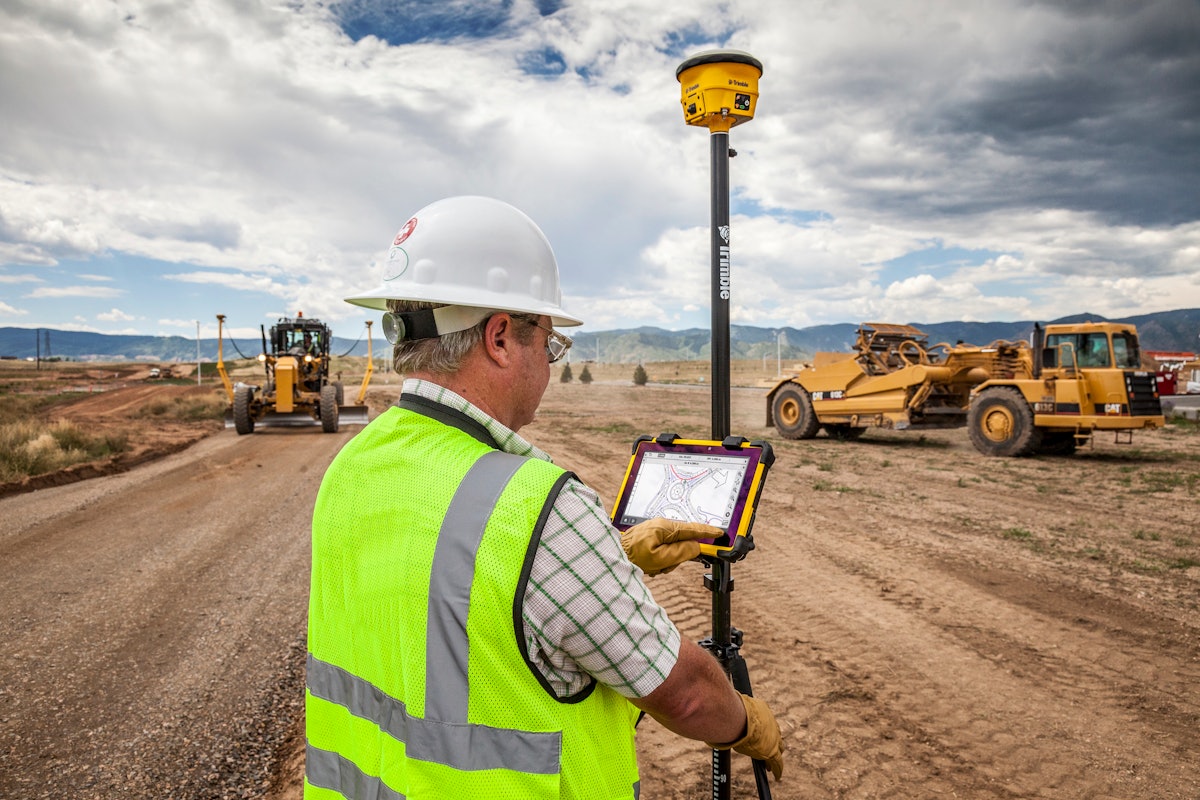
In the fast-paced world of technology, businesses are constantly seeking innovative solutions to improve efficiency, productivity, and reliability. One such groundbreaking advancement is the digital twin integration with rugged devices. This technological marvel is not just a trend; it’s a revolution that is reshaping industries and paving the way for a smarter future.
The concept of digital twins has been around for a while, but its integration with rugged devices is a new and exciting development. This integration offers a plethora of benefits, especially for industries that operate in challenging environments. But what exactly is a digital twin, and how does it integrate with rugged devices?
Understanding Digital Twins
A digital twin is a virtual representation of a physical object or system. It uses real-time data and advanced analytics to mirror the performance, condition, and behavior of its real-world counterpart. This digital model allows businesses to simulate scenarios, predict outcomes, and optimize processes without the risk and cost associated with physical trials.
What Are Rugged Devices?
Rugged devices are specially designed to withstand harsh environmental conditions such as extreme temperatures, moisture, dust, and shock. These devices are crucial in industries like manufacturing, military, and transportation, where standard electronic devices would fail. The durability of rugged devices makes them ideal candidates for integration with digital twins.
The Significance of Integration
The integration of digital twins with rugged devices offers numerous advantages. It enhances the reliability and efficiency of operations by providing real-time insights and predictive analytics. This integration is particularly beneficial for industries that require constant monitoring and maintenance of equipment and assets.
Benefits of Digital Twin Integration with Rugged Devices
- Improved Operational Efficiency: By providing real-time data and predictive maintenance capabilities, digital twins help in optimizing operations and reducing downtime.
- Enhanced Decision Making: The integration allows for better decision-making by offering insights into the performance and condition of equipment.
- Cost Reduction: By minimizing the need for physical trials and reducing equipment failure rates, businesses can significantly cut costs.
- Increased Reliability: Rugged devices, when integrated with digital twins, become more reliable, ensuring uninterrupted operations even in harsh conditions.
Challenges in Integration
While the benefits are substantial, integrating digital twins with rugged devices is not without challenges. These include the complexity of data management, the need for robust connectivity, and the initial cost of deployment. However, advancements in technology are continually addressing these challenges, making integration more accessible and efficient.
Applications Across Industries
The integration of digital twins with rugged devices is transforming various industries. In the manufacturing sector, it enhances the monitoring and maintenance of machinery. In the military, it ensures the reliability of equipment in combat scenarios. In transportation, it aids in the efficient management of fleet and logistics.
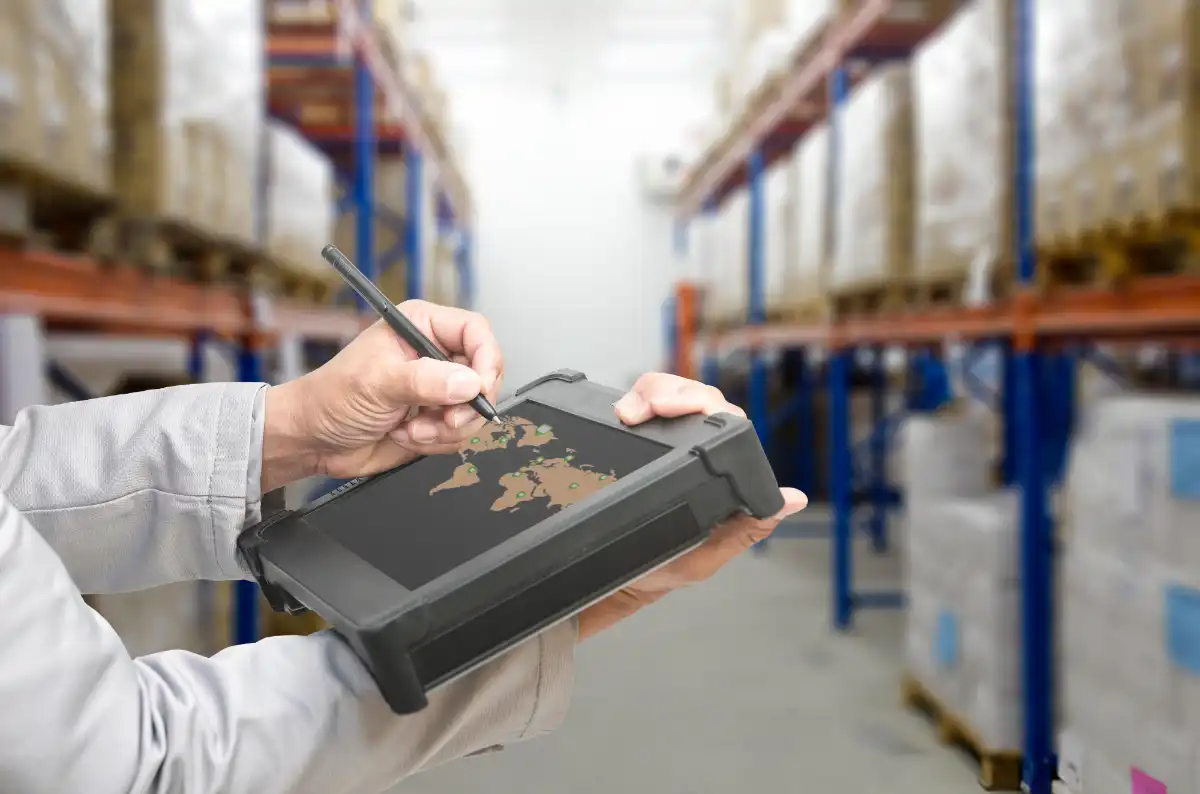
The Future of Digital Twin Integration with Rugged Devices
The future of digital twin integration with rugged devices is promising. As technology continues to advance, we can expect more sophisticated and cost-effective solutions. The integration will become more seamless, offering unprecedented levels of automation and intelligence.
Conclusion
In conclusion, the digital twin integration with rugged devices is a game-changer. It offers a multitude of benefits, from improved efficiency to enhanced decision-making, making it an invaluable tool for businesses operating in challenging environments. As we look to the future, it’s clear that this integration will play a crucial role in shaping the next era of technological innovation.
FAQs
- What is a digital twin? A digital twin is a virtual representation of a physical object or system that uses real-time data to mirror its real-world counterpart.
- Why are rugged devices important? Rugged devices are important because they can withstand harsh environmental conditions, making them ideal for industries that operate in challenging environments.
- What are the benefits of integrating digital twins with rugged devices? The benefits include improved operational efficiency, enhanced decision-making, cost reduction, and increased reliability.
For more insights on the maintenance of rugged devices, you can visit this article. Additionally, learn about common failures in non-rugged electronics by checking this post.
To explore more about rugged electronics in railway systems, visit here, and for information on power protection for rugged systems, click this link.
For more on the topic of rugged electronics, you can read this external article.
