


In today’s rapidly evolving technological landscape, the demand for energy-efficient rugged components is greater than ever. These components not only promise durability and resilience but also ensure optimal energy usage, making them a crucial choice for industries seeking sustainable solutions. As the focus on environmental sustainability grows, the integration of these components becomes essential for modern electronics.
Understanding Rugged Components
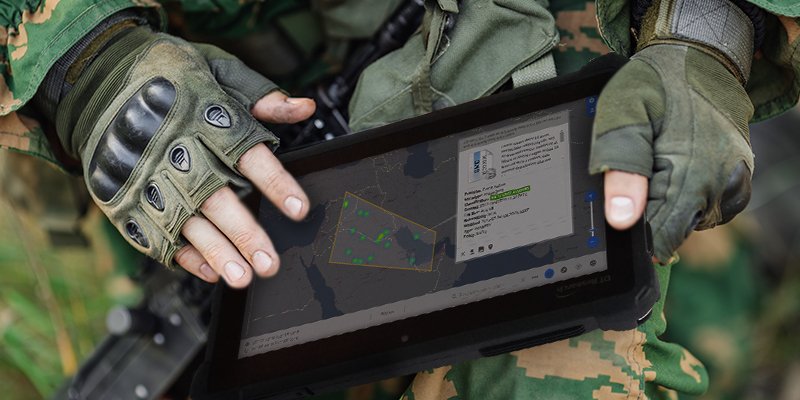
Rugged components are specifically designed to withstand harsh conditions, including extreme temperatures, vibrations, and shocks. These components are crucial in industries such as military, aerospace, and transportation where reliability is paramount. For exporters and importers, knowing the significance of these components can open new avenues for trade and innovation.
Importance of Energy Efficiency
Energy efficiency in electronics is not just a trend but a necessity. It reduces operational costs and minimizes environmental impact. By focusing on energy efficiency, industries can achieve significant long-term savings and contribute positively to sustainability goals.
Benefits of Energy-Efficient Rugged Components
The integration of energy-efficient rugged components offers numerous benefits. These include extended device lifespan, reduced maintenance costs, and enhanced performance in demanding environments. Such advantages make them an appealing choice for industries aiming for longevity and sustainability.
Cost-Effectiveness
While the initial investment might be higher, the long-term savings from reduced energy consumption and maintenance can outweigh the costs. For exporters and importers, this translates to better margins and competitive pricing in the global market.
Applications Across Industries
The versatility of energy-efficient rugged components makes them suitable for various sectors. From telecommunications to transportation, their application ensures reliability and efficiency in critical operations. For instance, in the transportation sector, these components ensure smooth and uninterrupted operations, reducing downtime and enhancing service delivery.
Role in Telecommunications
In telecommunications, energy-efficient components are vital for maintaining network reliability. They ensure that communication systems remain operational even in adverse conditions, which is crucial for maintaining connectivity in remote areas.
Challenges in Implementation
Despite their benefits, implementing energy-efficient rugged components can be challenging. Factors such as high initial costs and the need for specialized knowledge can hinder adoption. However, with advancements in technology and increased awareness, these challenges are gradually being overcome.
Overcoming Cost Barriers
For many industries, the cost of integrating these components can be a deterrent. However, through strategic planning and investment, companies can overcome these barriers and reap the long-term benefits of energy efficiency and durability.
Future Prospects
The future of energy-efficient rugged components looks promising. As technology continues to advance, the efficiency and performance of these components are expected to improve, making them even more integral to modern electronics. For exporters and importers, this presents an opportunity to explore new markets and expand their reach.
Innovations on the Horizon
With ongoing research and development, new innovations in rugged components are on the horizon. These advancements promise even greater efficiency and resilience, paving the way for more sustainable and reliable electronic solutions.
Impact on Global Trade
The rise of energy-efficient rugged components is set to impact global trade significantly. As more industries adopt these components, the demand for exporting and importing them will increase, creating new opportunities for businesses worldwide. This shift towards sustainable solutions is likely to redefine trade dynamics, emphasizing the need for energy efficiency and durability.
Opportunities for Exporters and Importers
For exporters and importers, the growing demand for these components presents a lucrative opportunity. By staying ahead of the trends and understanding market needs, businesses can capitalize on this demand and drive growth.
Environmental Impact
One of the most significant advantages of energy-efficient rugged components is their positive impact on the environment. By reducing energy consumption and minimizing waste, these components contribute to a more sustainable future. This aligns with global efforts to combat climate change and promote environmental stewardship.
Contribution to Sustainability
By integrating these components into their operations, industries can significantly reduce their carbon footprint. This not only benefits the environment but also enhances their reputation as responsible and forward-thinking entities.
Conclusion
In conclusion, energy-efficient rugged components are revolutionizing the electronics industry. Their ability to combine durability with energy efficiency makes them indispensable in today’s world. As industries continue to prioritize sustainability, the adoption of these components is set to increase, offering numerous benefits to businesses and the environment alike.

FAQs
Why are rugged components important?
Rugged components are essential for ensuring the reliability and durability of electronic devices in harsh conditions, making them suitable for critical applications in various industries.
How do energy-efficient components benefit businesses?
Energy-efficient components reduce operational costs and environmental impact, leading to long-term savings and enhanced sustainability for businesses.
What are the challenges in adopting these components?
Challenges include high initial costs and the need for specialized knowledge, but these can be mitigated through strategic planning and investment.
For more detailed insights on rugged components, visit Escatec’s blog.
