


In the modern business landscape, ensuring seamless operations is crucial. For exporters and importers, the remote configuration of rugged hardware becomes an essential aspect to consider. Rugged hardware, designed to withstand harsh environments, is pivotal for industries relying heavily on technological resilience. This article delves into the nuances of this configuration, offering insights that resonate with businesses aiming for efficiency and reliability.
Understanding Rugged Hardware
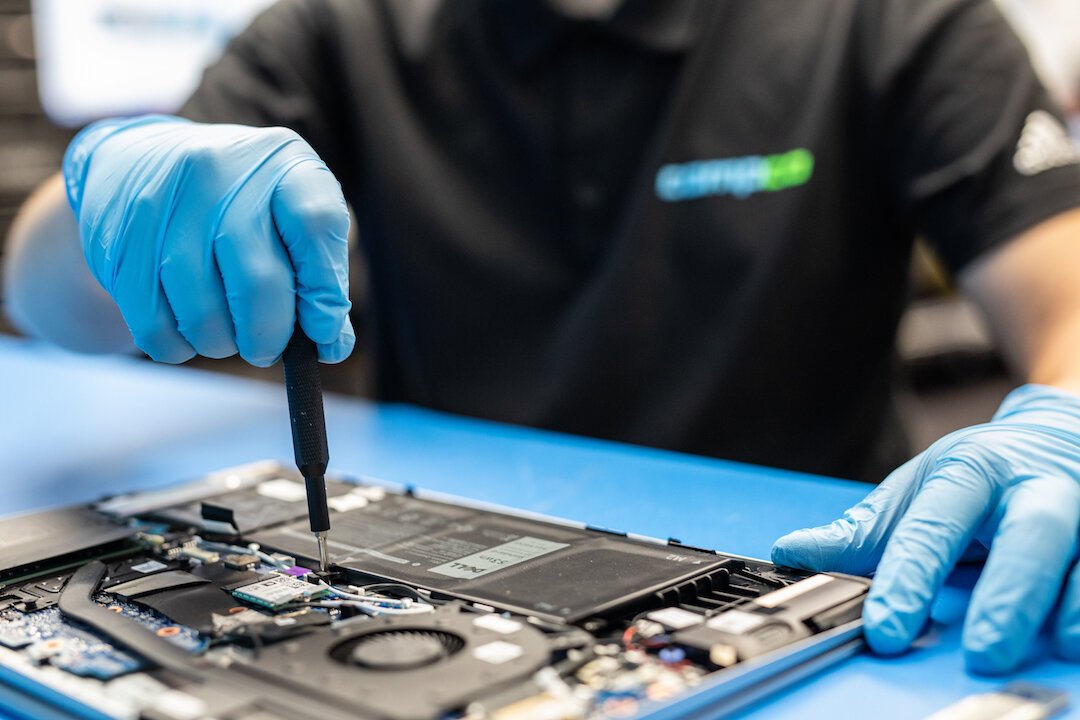
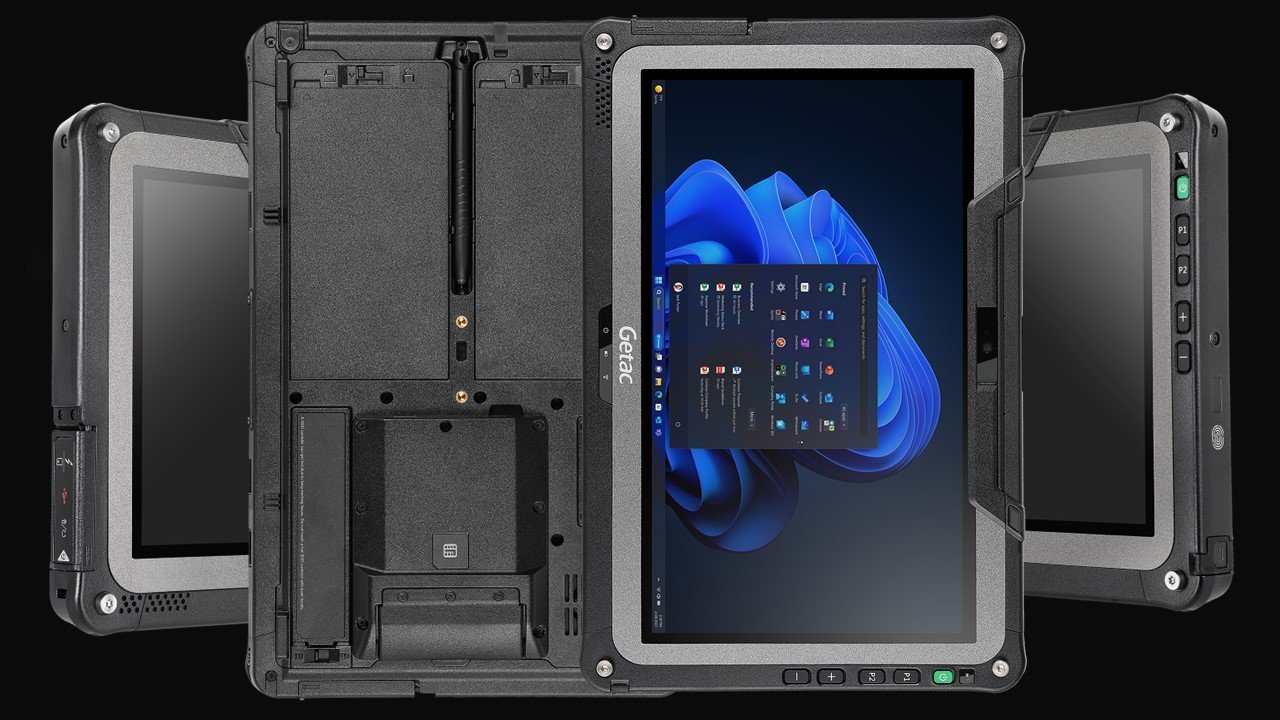
Rugged hardware refers to devices specifically engineered to operate under extreme conditions. These devices are built to resist shock, vibration, temperature extremes, and moisture. For businesses operating in demanding environments, such as maintenance of rugged devices, having equipment that can endure these challenges is non-negotiable.
The Importance of Remote Configuration
The ability to configure devices remotely offers several advantages. It reduces the need for on-site technical support, thereby cutting costs and time. For exporters and importers, this capability ensures that their operations remain uninterrupted, even when challenges arise.
Benefits for Exporters and Importers
The remote configuration of rugged hardware provides a competitive edge. It allows businesses to adapt quickly to changing environments, maintaining operational efficiency. In the context of international trade, where time is of the essence, this adaptability can significantly impact success.
Cost-Effectiveness
By minimizing the need for physical intervention, companies can allocate resources more effectively, investing in areas that drive growth and innovation.
Improved Efficiency
Remote access ensures that any necessary updates or changes can be implemented rapidly, without halting operations. This is critical for maintaining the flow of goods and services in a global market.
Implementing Remote Configuration
Successful implementation requires an understanding of the specific needs of your business. Working with experts who specialize in rugged electronics can facilitate a smooth transition to remote capabilities. For instance, common failures in non-rugged electronics can be avoided by ensuring your devices are configured to withstand the rigors of your operational environment.
Choosing the Right Technology
Select devices that are compatible with your existing systems and can be easily integrated into your operations. Consider technologies that offer scalability and flexibility to grow with your business.
Training and Support
Ensure that your team is equipped with the knowledge to manage the configuration. Partnering with a provider that offers comprehensive support can streamline this process.
Overcoming Challenges
While the benefits are clear, transitioning to remote configuration isn’t without its challenges. Businesses must navigate potential security risks and ensure their infrastructure supports remote access. By proactively addressing these issues, companies can safeguard their operations against disruptions.
Security Considerations
Implement robust security protocols to protect your systems from unauthorized access. Regularly update software and firmware to patch vulnerabilities.
Infrastructure Requirements
Ensure that your network infrastructure can support remote configuration. This may involve investing in higher-capacity networks or upgrading existing systems.
Case Study: Successful Implementation
An example of successful implementation can be seen in the railway industry. Companies have leveraged remote configuration to enhance the reliability of their systems. By utilizing rugged electronics in railway systems, they have minimized downtime and improved service delivery.
Lessons Learned
Through this process, businesses have learned the importance of selecting the right partners and investing in quality training for their teams.
Future of Remote Configuration
As technology continues to evolve, the potential applications of remote configuration are expanding. Businesses that embrace these advancements will position themselves at the forefront of innovation, ready to tackle future challenges head-on.
Embracing Innovation
Invest in research and development to explore new ways to leverage remote configuration. Stay informed about emerging technologies that could enhance your operations.
Adapting to Change
Remain flexible and open to change. As the business landscape evolves, being able to adapt quickly will be a key factor in your success.
Conclusion
The remote configuration of rugged hardware presents a myriad of opportunities for exporters and importers. By understanding and implementing these capabilities, businesses can enhance their operations, reduce costs, and improve efficiency. As the future unfolds, those who embrace this technology will undoubtedly lead the charge in their respective industries.
FAQ
What is rugged hardware?
Rugged hardware refers to devices designed to withstand extreme conditions, such as high temperatures, moisture, and physical impact.
Why is remote configuration important?
Remote configuration allows businesses to manage their devices without needing on-site technical support, saving time and resources.
What industries benefit from rugged hardware?
Industries such as logistics, manufacturing, and agriculture benefit greatly from rugged hardware due to their demanding operational environments.
For further reading on the impact of rugged electronics, visit Roaming Tech.
