

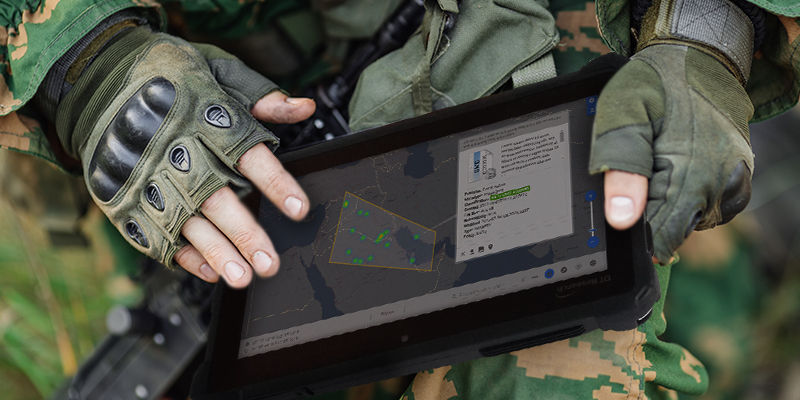
The advent of 5G technology has revolutionized the way we connect and interact with the world around us. Coupled with rugged devices, this new era of technology is offering unparalleled opportunities for businesses, especially for exporters and importers. These two innovations are not just buzzwords; they are critical components in enhancing operational efficiency and connectivity.
Understanding 5G Technology
5G, the fifth generation of wireless technology, promises faster speeds, lower latency, and more reliable connections. It is designed to meet the growing demands for data and connectivity in today’s digital world. With speeds that can be up to 100 times faster than 4G, 5G enables seamless streaming, quicker downloads, and the ability to connect more devices simultaneously.
The Impact of 5G on Businesses
For businesses, especially those involved in exporting and importing, the introduction of 5G is a game-changer. It allows for real-time tracking of shipments, enhanced communication with international partners, and the ability to leverage IoT devices for better supply chain management. The increased speed and reliability reduce downtime and improve overall productivity.
What Are Rugged Devices?
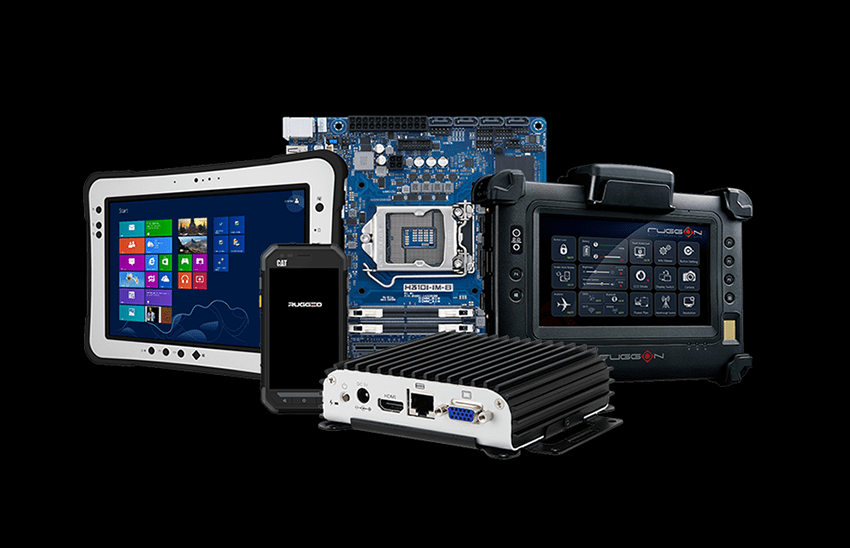
Rugged devices are specifically designed to withstand harsh environments. Unlike regular consumer electronics, these devices are built to endure extreme temperatures, dust, water, and physical shock. They are commonly used in industries such as manufacturing, logistics, and construction, where conditions can be challenging.
Features of Rugged Devices
- Durability: These devices have robust exteriors that protect against drops and impacts.
- Water and Dust Resistance: Most rugged devices come with high IP ratings, ensuring protection against water and dust ingress.
- Long Battery Life: Designed for long shifts, these devices often have batteries that last much longer than standard devices.
The Synergy of 5G and Rugged Devices
Combining 5G with rugged devices creates a powerful tool for businesses operating in challenging environments. The high-speed connectivity of 5G ensures that rugged devices can transmit data quickly and reliably, even in remote locations. This synergy is particularly beneficial for exporters and importers who need to maintain constant communication and data flow.
Applications in Various Industries
In the manufacturing sector, the integration of 5G and rugged devices allows for more efficient machine-to-machine communication, predictive maintenance, and real-time monitoring of production lines. In logistics, these technologies enable better fleet management, asset tracking, and delivery optimization.
Challenges and Considerations
Despite the numerous advantages, there are challenges to consider when implementing 5G and rugged devices. One of the primary concerns is the cost of upgrading infrastructure to support 5G. Additionally, while rugged devices are more durable, they can be more expensive than their non-rugged counterparts.
Overcoming Connectivity Issues
Ensuring a seamless transition to 5G requires careful planning and investment. Businesses must evaluate their current infrastructure and determine the necessary upgrades. Partnering with technology providers who specialize in rugged solutions can also help overcome potential connectivity issues.
The Future of 5G and Rugged Devices
As 5G networks continue to expand globally, the demand for rugged devices is expected to grow. The combination of these technologies will likely lead to the development of new applications and solutions that further enhance business operations, especially in sectors that rely heavily on durable and reliable technology.
Innovations on the Horizon
Future innovations may include more energy-efficient rugged devices, enhanced AI integration for predictive analytics, and expanded use cases in emerging markets. Businesses that embrace these technologies early on will be well-positioned to capitalize on the opportunities they present.
Conclusion
The integration of 5G and rugged devices represents a significant advancement in technology, offering substantial benefits to businesses across various industries. By embracing these innovations, exporters and importers can improve efficiency, reduce costs, and stay competitive in an increasingly connected world.
FAQs
What is the main advantage of 5G technology?
The main advantage of 5G technology is its ability to provide faster data speeds, lower latency, and more reliable connections, which are essential for modern business operations.
Why are rugged devices important for businesses?
Rugged devices are important because they are built to withstand harsh conditions, ensuring that businesses can operate effectively in challenging environments without equipment failure.
How can exporters and importers benefit from 5G and rugged devices?
Exporters and importers can benefit from 5G and rugged devices by improving supply chain management, enhancing communication, and ensuring reliable equipment performance in various environments.
For further insights into the applications of rugged electronics, visit Rugged Electronics in Railway Systems. Additionally, to learn more about designing electronics for harsh environments, check out this guide.
